Why Promotional Products Still Work in 2026
Every few years, someone predicts that branded merchandise is about to become obsolete — first mobile ads, then social media, now AI-driven personalization were each supposed to make the branded pen irrelevant. The prediction keeps not coming true, and the 2026 data explains why.
The Attention Economy Problem Digital Ads Haven't Solved
Digital advertising has gotten better at targeting, but not at retention. Ad fatigue and banner blindness are well-documented, measurable phenomena — the more ads a person sees, the less each one registers. A promotional product doesn't compete in that same crowded attention window. It sits on a desk or in a bag, generating impressions passively, long after a digital ad would have been scrolled past and forgotten.
PPAI's most recent consumer research reinforces this: close to half of people who receive branded merchandise say it prompted them to look up the brand afterward, and a meaningful share went on to visit the company's website or make a purchase. That is a materially different response pattern than the click-through rates typical of most digital display advertising.
What Changed in 2026 (and What Didn't)
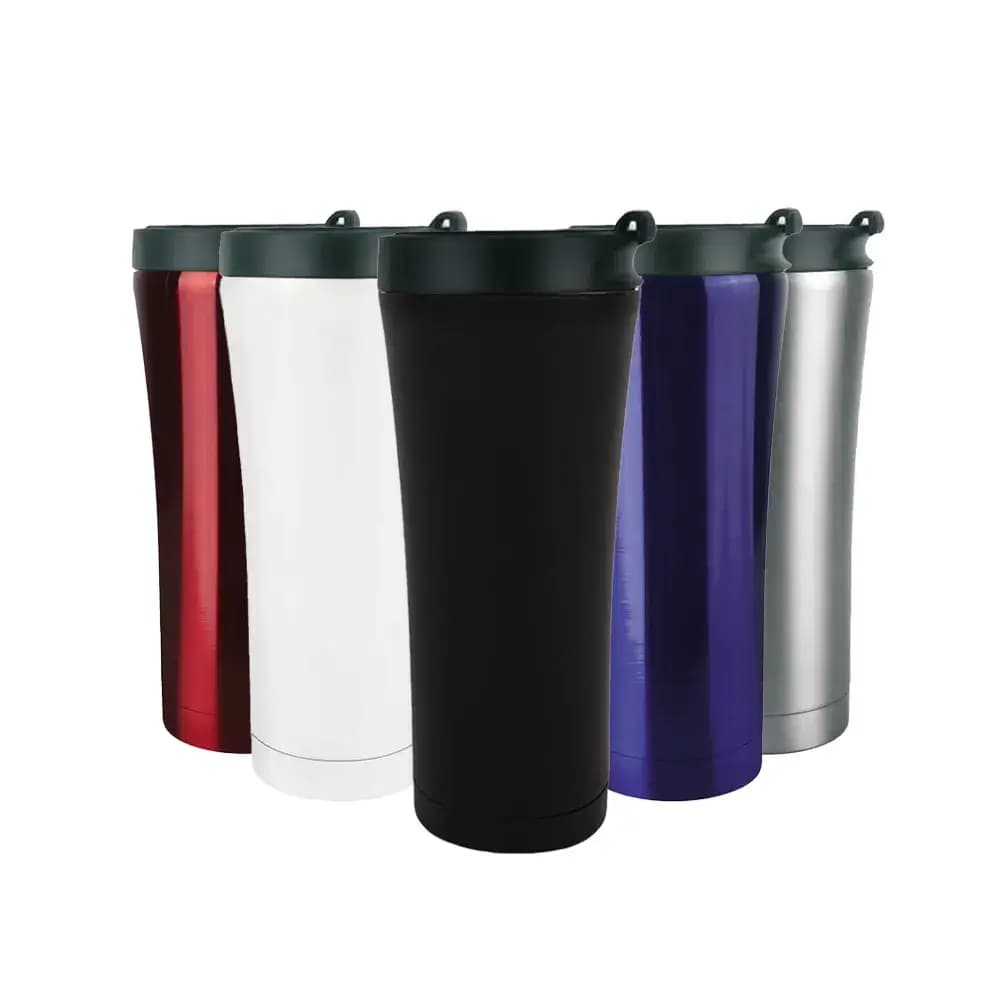
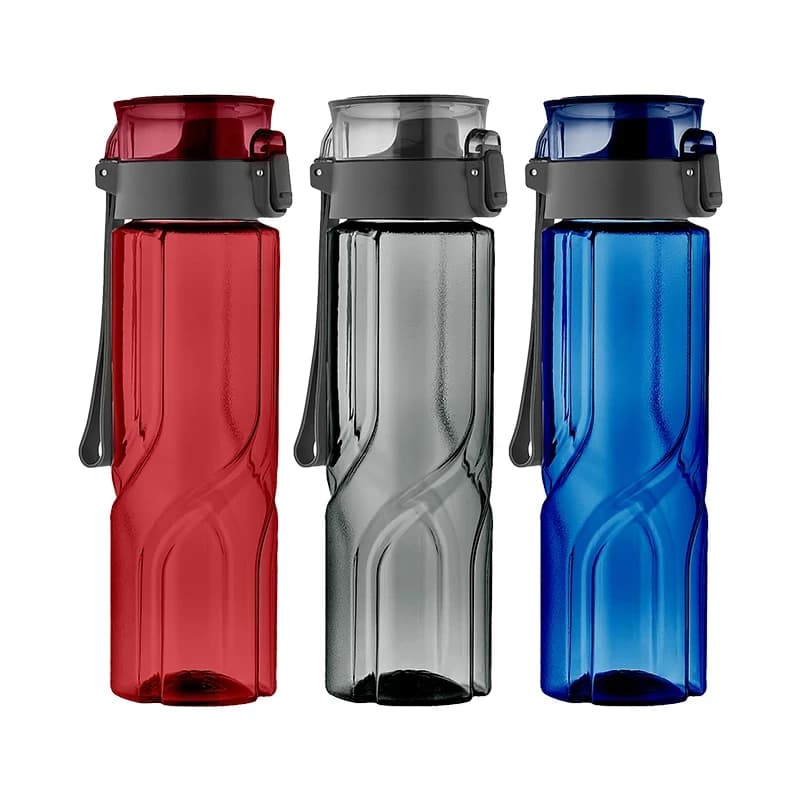
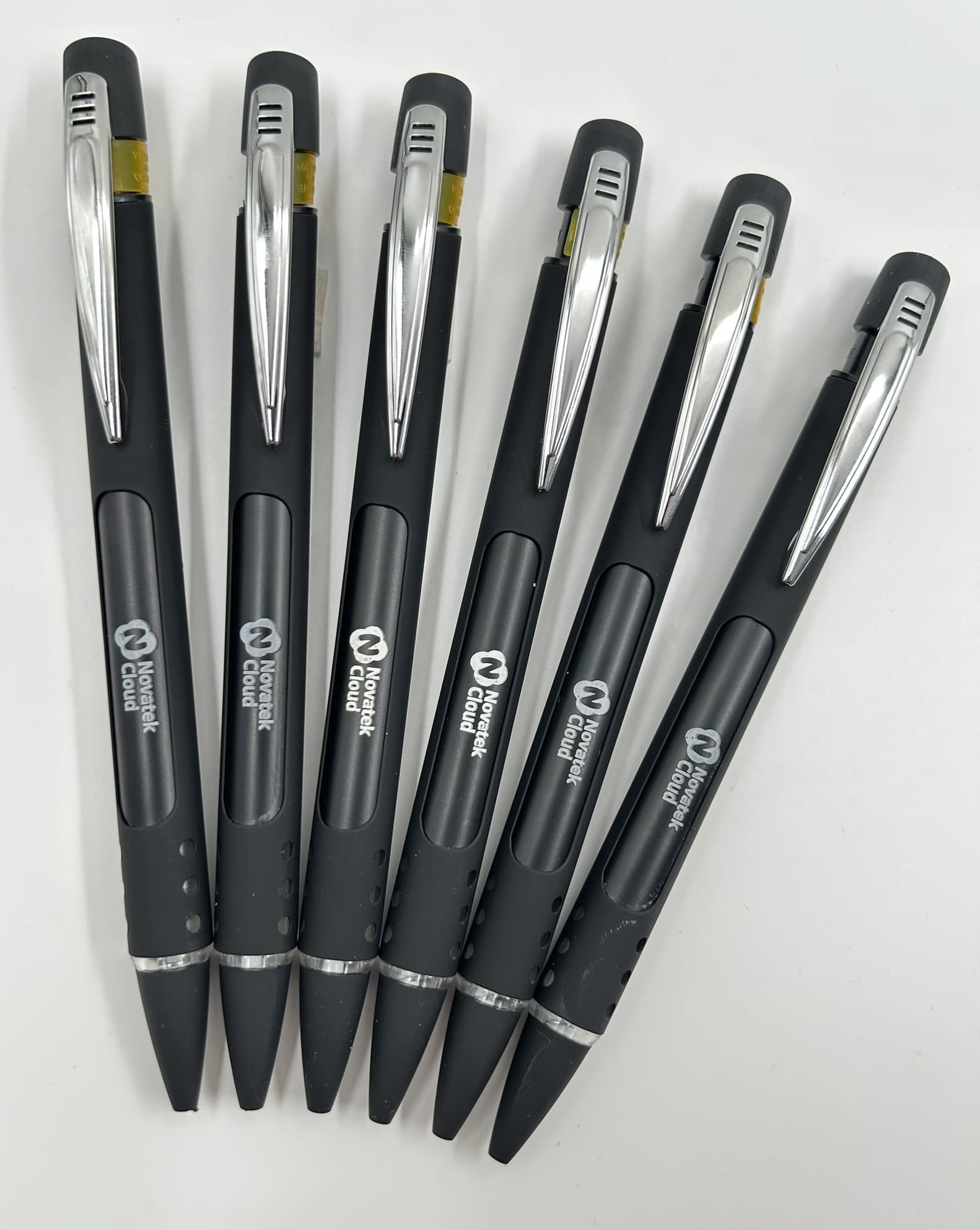
What's changed is buyer sophistication: recipients increasingly notice and value product quality and material sourcing, which is why generic, low-quality swag performs worse than it did a decade ago — the 2026 data shows recall rates and favorable brand perception rising sharply for higher-quality, more relevant items, while low-utility novelty items continue to underperform. What hasn't changed is the fundamental mechanism: physical objects create longer-lasting brand impressions than fleeting digital ones.
A Practical Example
A regional telecom company running parallel campaigns — a digital retargeting ad campaign and a branded power bank giveaway at three retail partner locations — found in its post-campaign survey that recall of the power bank giveaway was substantially higher three months later than recall of the digital ad campaign, even though the digital campaign had a larger total reach. The company didn't cut the digital campaign — it used the finding to reallocate a larger share of its awareness budget toward promotional items for its highest-value retail locations, while keeping digital for broad reach where recall depth mattered less.
Where Promotional Products Fit Best in a 2026 Marketing Mix
| Objective | Promotional Products Role | Complementary Digital Role |
|---|---|---|
| Long-term brand recall | Primary driver — physical items generate repeat impressions | Reinforces initial awareness |
| Immediate, trackable reach | Secondary — limited by production/distribution time | Primary — instant, measurable |
| Client/relationship retention | Strong — tangible gestures build reciprocity | Limited — digital touchpoints feel less personal |
| Event/conference presence | Strong — physical takeaways extend the interaction | Supports pre/post-event promotion |
In Summary
Promotional products keep working in 2026 for the same structural reason they've worked for decades: physical objects generate sustained, repeated brand impressions in a way fleeting digital ads structurally cannot. What's changed is the bar for quality — generic swag underperforms more than it used to, making thoughtful product selection more important, not less.
Ready to build a 2026 promotional campaign that performs? Request a quote or browse Pen Promo's full catalog.
Need Help Choosing the Right Promotional Product?
Get a free, no-obligation quote from our team.
Frequently Asked Questions
Cost per click can be lower for digital ads, but promotional products often win on cost per *sustained* impression, since a kept item generates repeat exposure over months without additional spend, unlike a digital ad that requires continuous budget to maintain reach.
Yes — younger consumers still respond to well-chosen, useful branded items, and increasingly factor in quality and sustainability when forming an opinion of the giving brand.