How Promotional Products Increase Brand Awareness
Brand awareness isn't built in a single moment — it's built through repetition, and promotional products are one of the few marketing tools designed specifically to generate repetition passively, without ongoing spend after the initial distribution. Understanding the actual mechanics behind this helps explain why the category keeps earning budget even in a digital-first marketing environment.
Three Mechanisms Behind the Effect
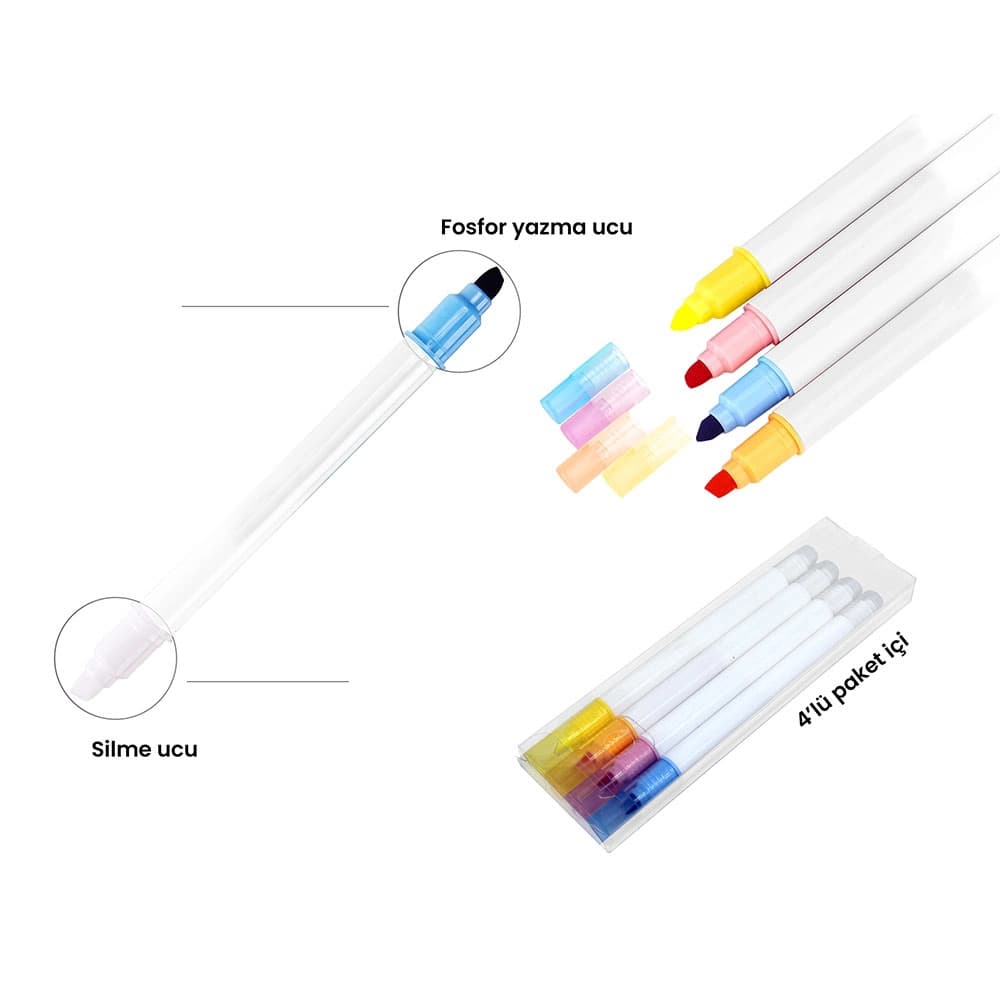
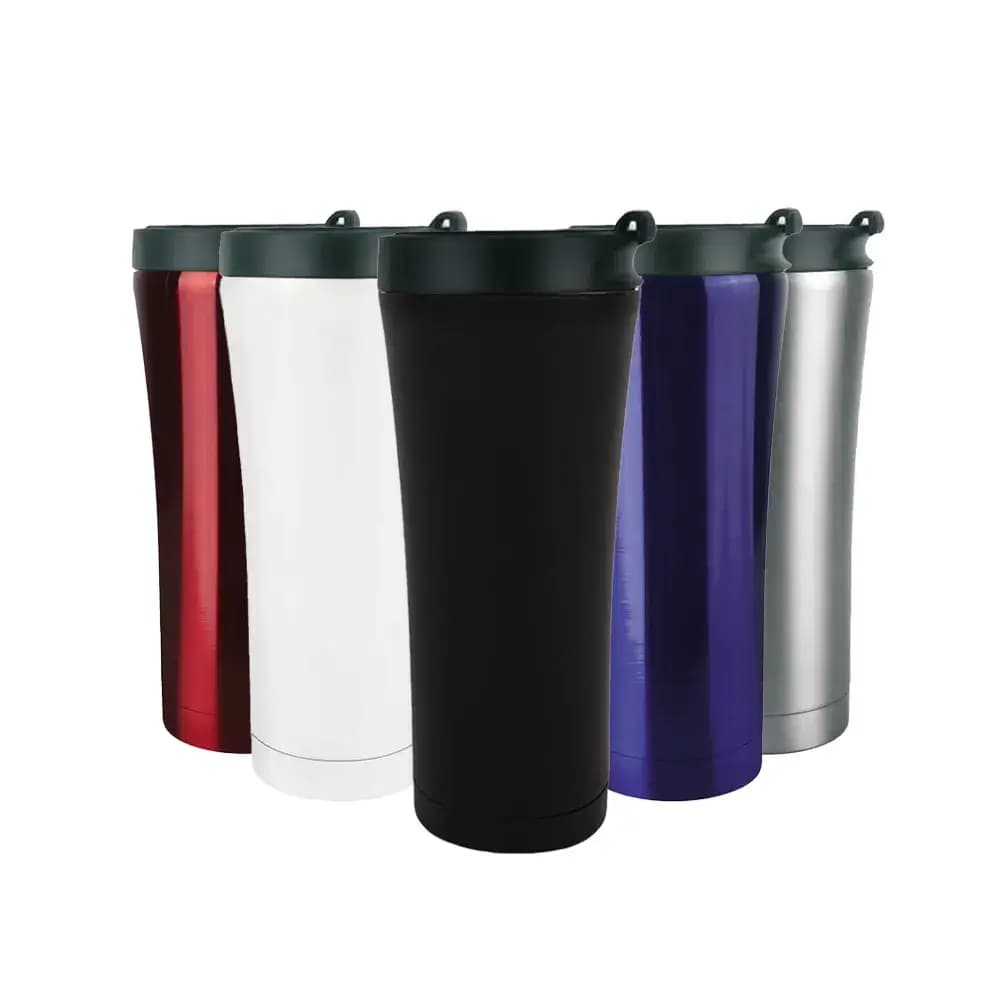
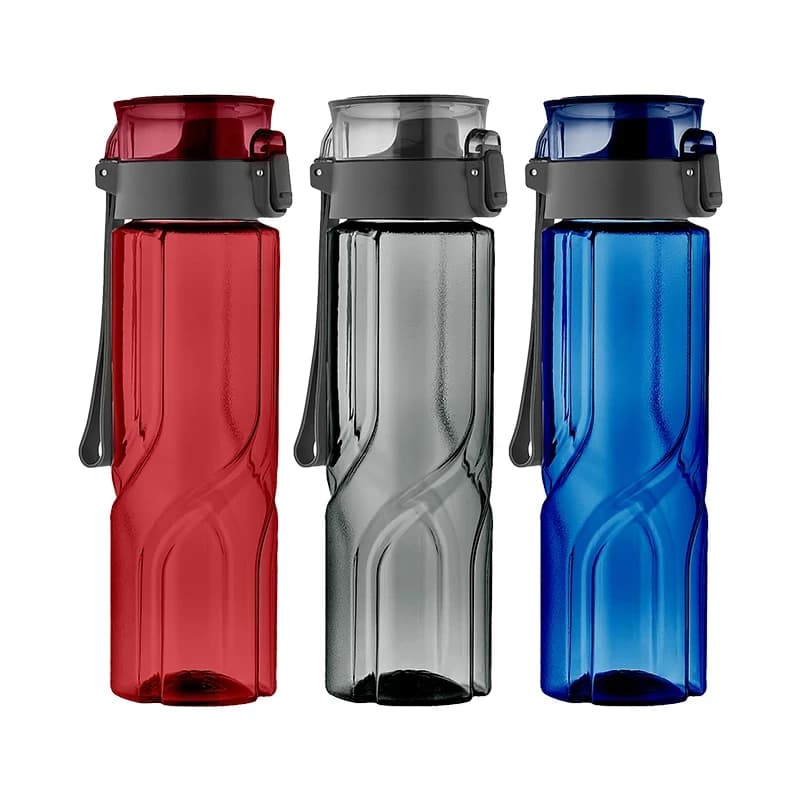
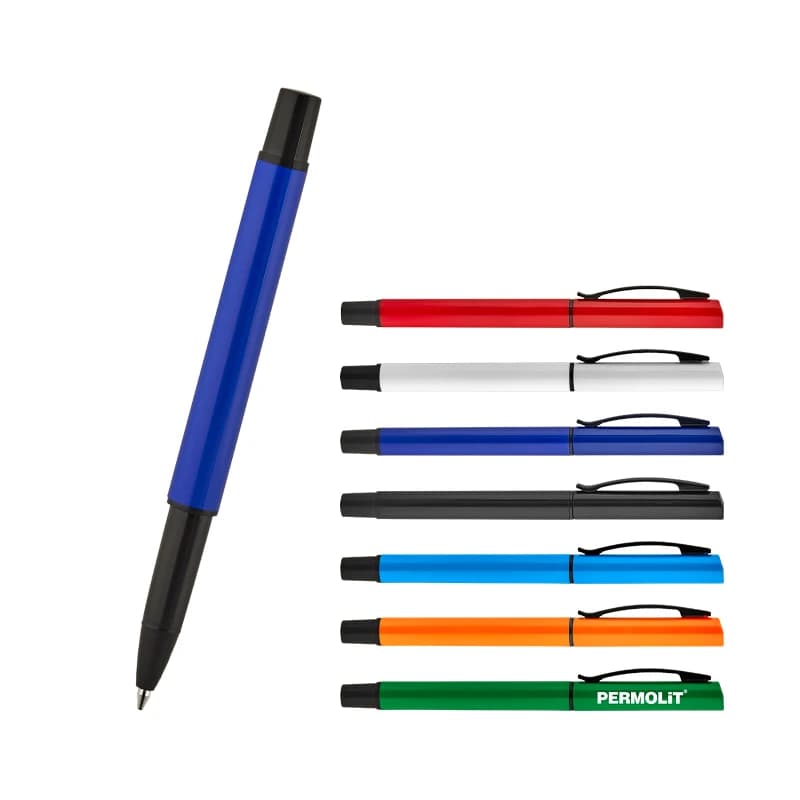
Repeat exposure. A branded item used daily or weekly — a pen, a mug, a bag — puts the logo in front of the owner (and often people around them) dozens or hundreds of times over its lifespan. PPAI research has found that consumers can recall the advertiser on a logoed item they received within the past year at a notably higher rate than they could just a couple of years earlier, reflecting both better product selection industry-wide and the compounding effect of repeat exposure.
Tangibility. Physical objects create a different kind of memory encoding than a scrolled-past digital ad. Holding, using, and seeing an object regularly engages more of the senses than a passive glance at a screen, which is part of why recall rates for promotional items consistently outperform many forms of digital advertising in independent research.
Passive word-of-mouth. A branded tote bag carried on public transit or a laptop with a company sticker visible in a coffee shop puts the brand in front of people who were never the original recipient — extending reach beyond the initial distribution at no additional cost.
A Practical Example
A regional accounting firm distributing branded notebooks to attendees at a small business tax seminar tracked a secondary effect they hadn't originally planned for: several attendees brought the notebooks to unrelated client meetings months later, and two new client inquiries specifically referenced having seen the firm's branding on a notebook in someone else's meeting. The firm hadn't measured for this originally, but it illustrates the compounding, hard-to-fully-track nature of awareness built through everyday-use items — the notebook's job wasn't done after the seminar ended.
What Maximizes the Awareness Effect
| Factor | Higher Awareness Impact | Lower Awareness Impact |
|---|---|---|
| Item utility | Used daily/weekly (pens, drinkware, bags) | Used once or rarely (novelty items) |
| Logo visibility | Placed where visible during normal use | Placed on a hidden interior surface |
| Print durability | Laser-marked or UV-printed, holds up over time | Low-quality print that fades quickly |
| Distribution context | Given at a relevant, memorable moment | Handed out passively with no context |
In Summary
Promotional products build brand awareness through repeat exposure, tangibility, and passive word-of-mouth — mechanisms that compound over an item's lifespan rather than requiring continuous ad spend. Choosing items people actually use, with visible and durable branding, is what determines whether that mechanism works in a company's favor.
Ready to build sustained brand awareness through the right products? Request a quote or explore Pen Promo's catalog.
Need Help Choosing the Right Promotional Product?
Get a free, no-obligation quote from our team.
Frequently Asked Questions
There's no fixed timeline — awareness compounds with repeat exposure over the item's lifespan, which is why durability and everyday utility matter more for this goal than a single flashy giveaway item.
Rarely at scale — awareness campaigns work best as part of a broader, repeated strategy (see our [promotional marketing strategy guide](/en/personal-products)) rather than relying on one giveaway event.
Not necessarily — utility and visibility during use matter more than price point. A well-used, moderately priced pen can generate more repeat impressions than an expensive item that gets set aside.