University Promotional Products
Universities run more distinct promotional gifting programs than almost any other sector — prospective student recruitment, current student engagement, alumni relations, faculty and staff appreciation, and donor cultivation are all functionally different audiences with different goals, often managed by different departments within the same institution.
Matching Products to University Audiences
| Audience | Goal | Suggested Products |
|---|---|---|
| Prospective students (open houses, tours) | Broad brand impression, low cost per unit | Pens, notebooks, low-cost bags |
| Current students | Campus engagement, school spirit | Apparel-adjacent items, drinkware, tech accessories |
| Faculty and staff | Recognition, institutional pride | Notebooks, drinkware, desk accessories |
| Alumni | Ongoing affinity, donation cultivation | Higher-tier drinkware, apparel, event-specific items |
| Major donors | Individual relationship value | Curated gift sets, premium engraved items (see our executive gifting guide) |
Why Volume and Tiering Matter More at Universities Than Most Sectors
A university's promotional product needs can span from tens of thousands of units (mass recruitment events, freshman orientation) to single-digit quantities (a specific major donor gift) within the same budget cycle — a wider range than most other industries covered in this Knowledge Center. This makes the tiering principles covered in our premium vs. budget guide especially relevant, since applying a uniform product and budget across such a wide audience range would either be impractical at the recruitment-event scale or insufficiently considered for major donor relationships.
A Practical Example
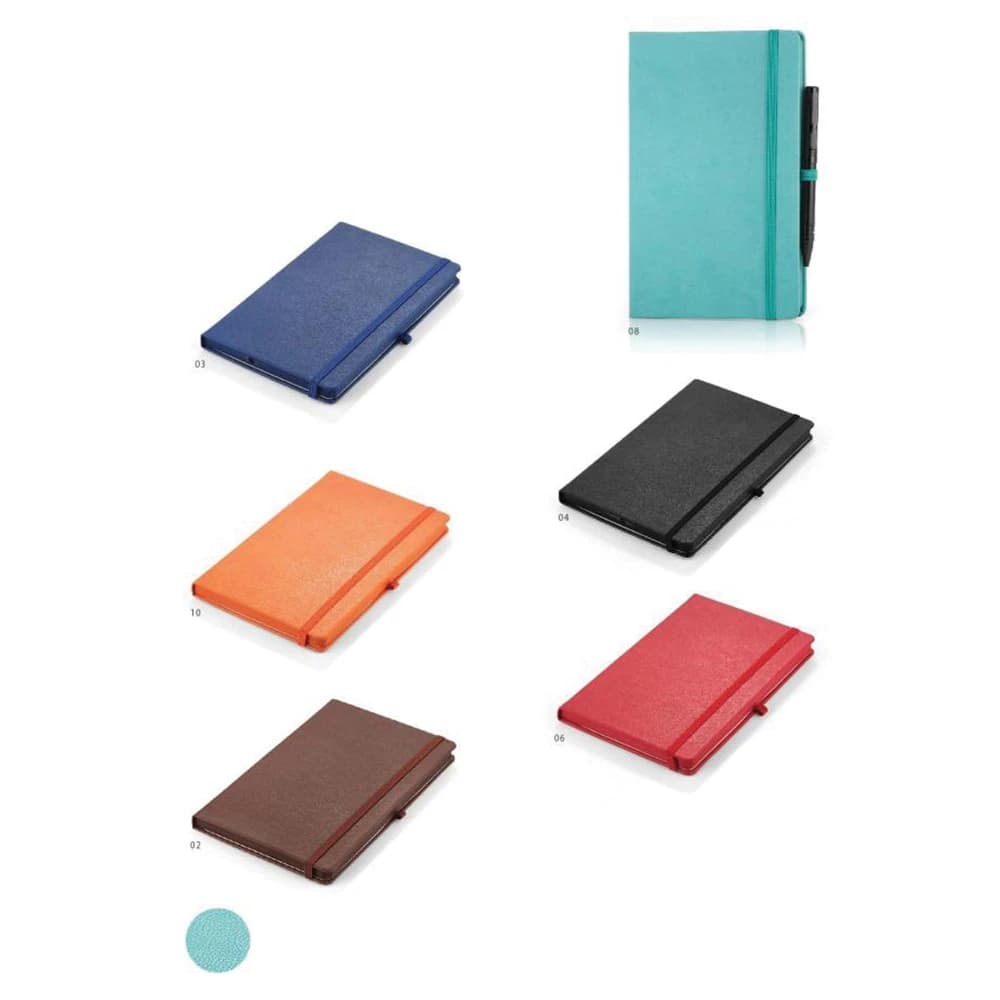
A university's development office managing its annual giving campaign structured gifting across three clearly defined tiers within the same cycle: a low-cost branded item (a notebook) sent to all alumni donors regardless of gift size, as a broad thank-you; a mid-tier item (premium drinkware) for donors above a certain giving threshold; and individually curated, higher-value gifts for the small group of major donors whose contributions represented a significant share of the campaign's total. The same office coordinated with the admissions department, which separately managed a much higher-volume, lower-cost giveaway program for prospective student recruitment events — correctly treating the two programs as distinct rather than applying one university-wide gifting standard across fundamentally different audiences and budgets.
Common University Promotional Product Uses
- Orientation and welcome kits for incoming students — notebooks, drinkware, and campus-branded essentials.
- Recruitment and open house giveaways — low-cost, broad-distribution items for prospective students and families.
- Alumni event merchandise — drinkware and apparel-adjacent items that reinforce ongoing affinity.
- Faculty and staff recognition — following the same employee appreciation principles as any employer.
- Donor cultivation and stewardship — tiered by giving level, from broad thank-you items to individually curated major donor gifts.
- Conference and academic event materials — for university-hosted academic conferences, following standard event and exhibition merchandise practices.
In Summary
University promotional gifting spans an unusually wide range of audiences and budgets within a single institution, making deliberate tiering — rather than a single standard program — especially important. Recognizing that recruitment events, student engagement, alumni relations, and major donor cultivation are functionally different gifting programs, even within one university, produces better outcomes than a one-size-fits-all approach.
Planning promotional products for your university's programs? Request a quote to discuss options across your various audience tiers.
Need Help Choosing the Right Promotional Product?
Get a free, no-obligation quote from our team.
Frequently Asked Questions
Not necessarily as one unified purchase, but coordinating on brand guidelines (see our [brand consistency guide](/en/printing-products)) across departments avoids the inconsistency that can result from admissions, development, and student affairs ordering independently without shared standards.
The difference is typically substantial, reflecting both the vastly different audience sizes and the different goals — broad awareness versus individual relationship cultivation — covered in the tiering framework above.
Not necessarily different products, but cultural considerations (see our [gift etiquette guide](/en/giftboxes)) are worth reviewing for international recruitment events and donor relationships specifically.