Employee Appreciation Gifts
A generic branded item handed out company-wide at the holidays checks a box, but it rarely moves the engagement needle the way a more deliberate appreciation gift can. The data on this is fairly consistent: it's not whether a company gives a gift that drives the effect, it's whether the gift feels genuinely considered.
What the Data Shows
Survey research on employer gifting has found that a large majority of employees report increased job satisfaction after receiving a holiday or recognition gift from their employer, with a meaningful share saying the positive effect lasted well beyond the immediate moment. The mechanism is similar to client-facing corporate gifting: a physical, chosen gesture signals recognition in a way a generic email or bonus line item often doesn't communicate as clearly.
What Separates Effective Employee Gifts From Generic Swag
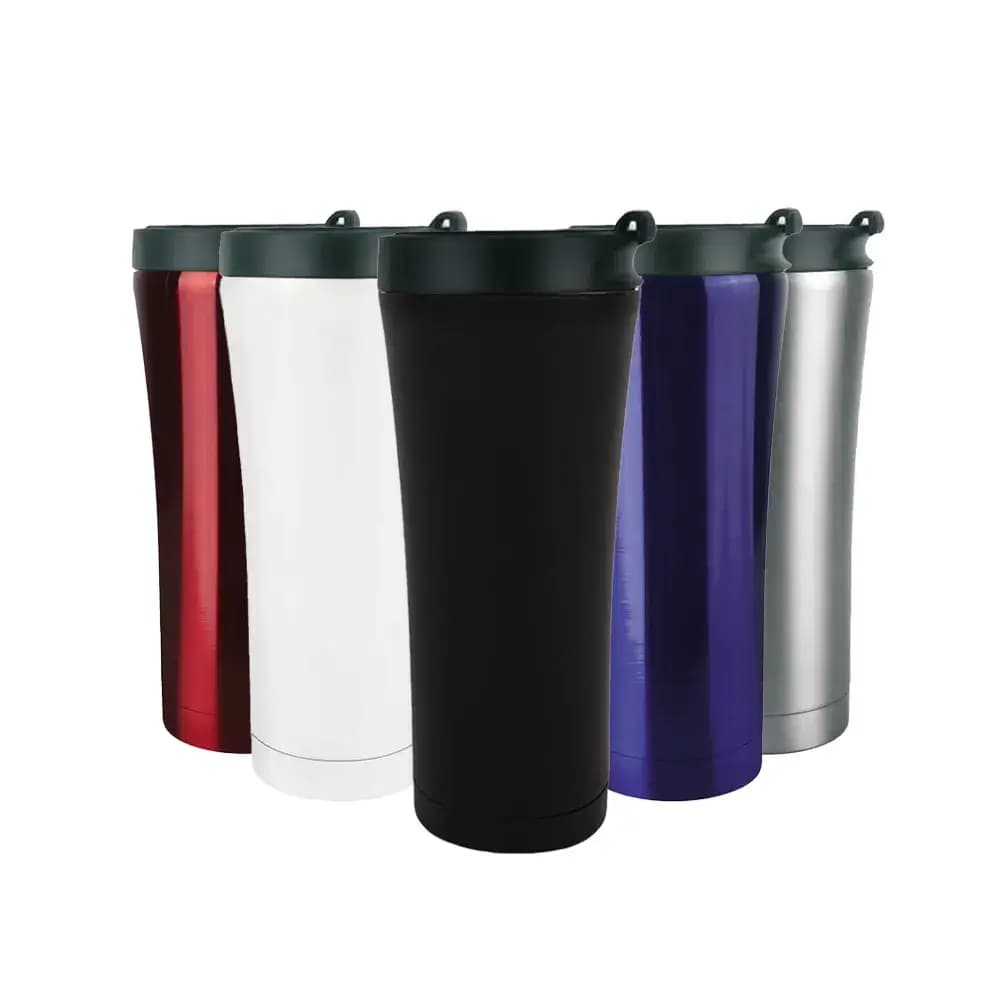
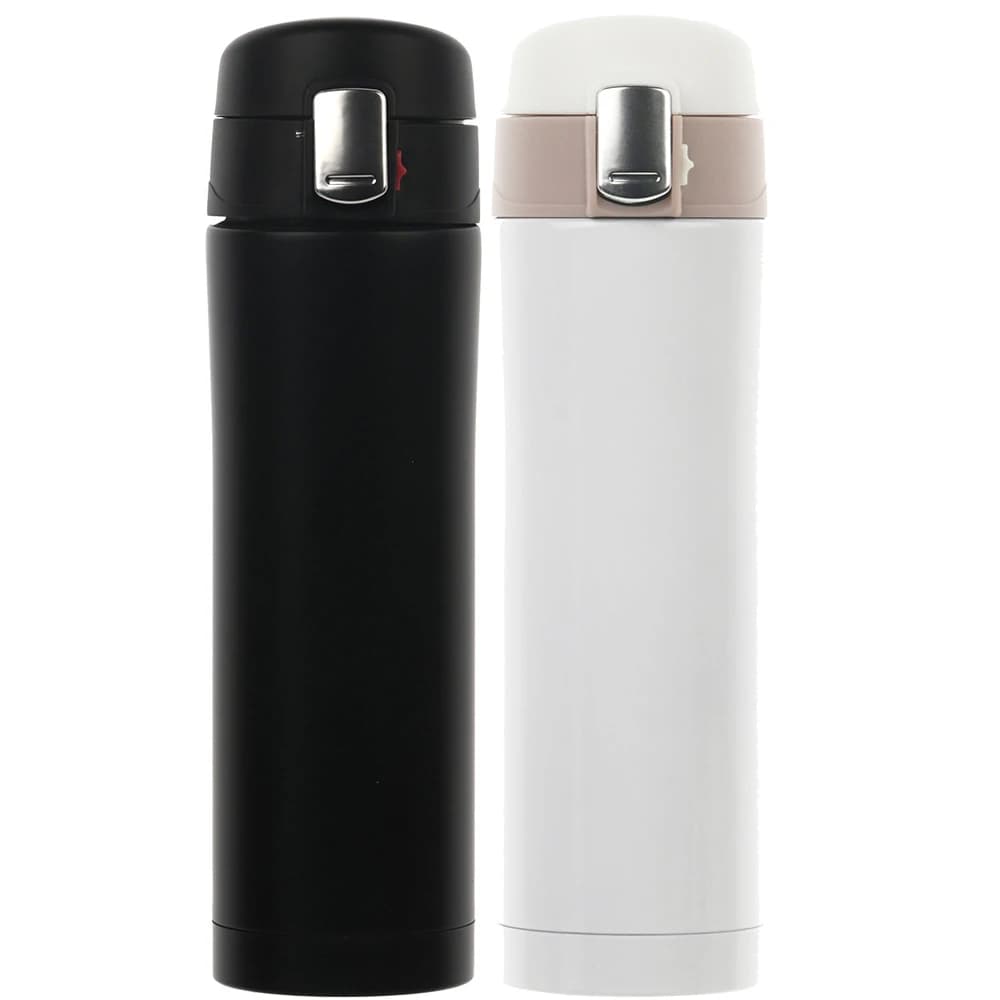
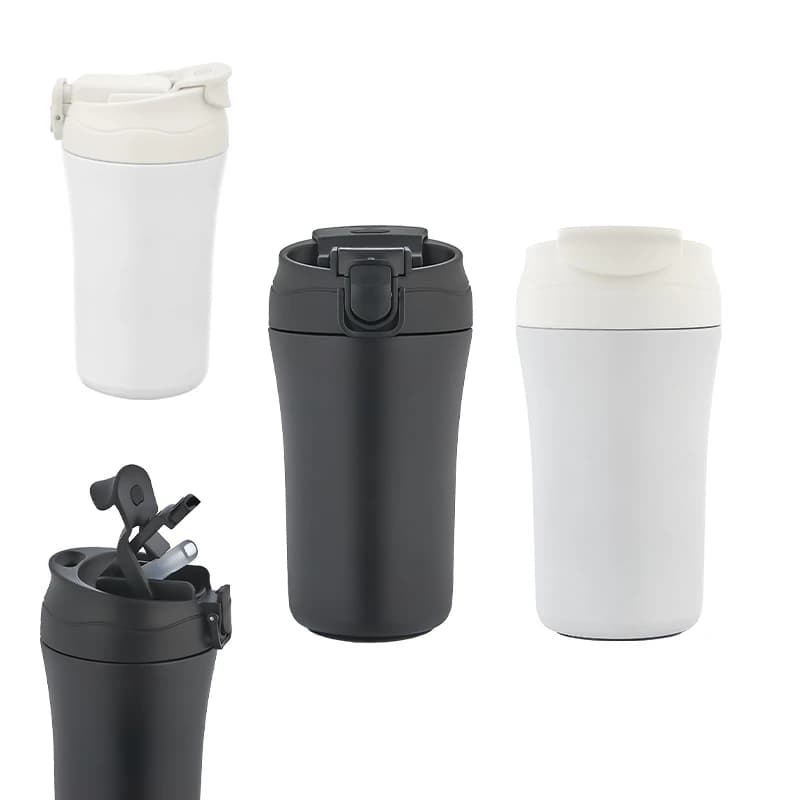
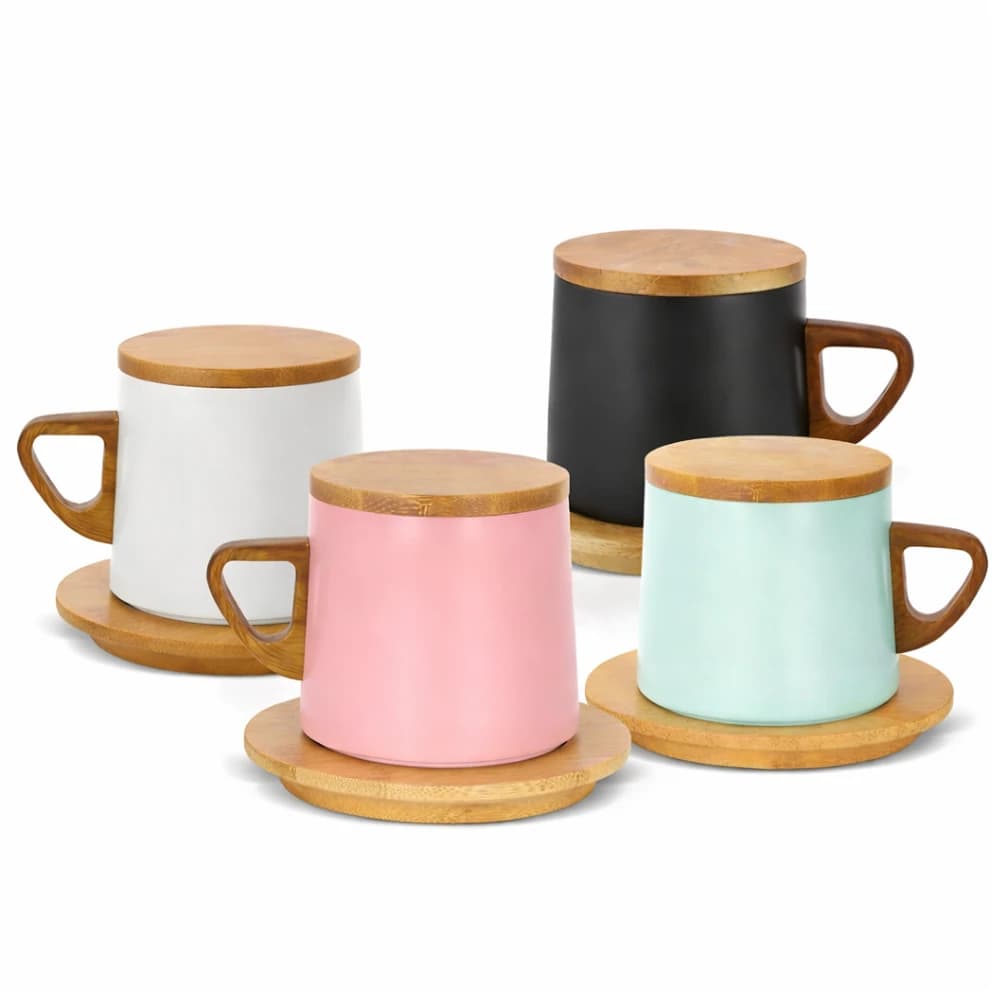
- Usefulness beats novelty. A practical item — quality drinkware, a well-made notebook, a useful tech accessory — gets used and appreciated longer than a novelty item that's set aside after the initial moment.
- Timing beyond the holidays matters. Work anniversaries, project completions, and individual milestones are often more meaningful moments than a single company-wide December gift, since they recognize something specific rather than treating the calendar as the occasion.
- Consistency across levels avoids resentment. If executive gifts are visibly more elaborate than frontline employee gifts for the same occasion, the gesture can create friction rather than goodwill — tiering by role should be handled thoughtfully, if used at all.
- A personal note adds disproportionate value relative to its cost. A short, specific message acknowledging something real about the employee's contribution meaningfully changes how a gift is received, at essentially no additional budget.
A Practical Example
A manufacturing company that previously sent an identical branded item to all 300 employees every December shifted to a hybrid approach: a modest, consistent item for the company-wide holiday gesture, plus a separate, slightly more considered gift (a choice between two or three options, allowing some personal preference) tied specifically to each employee's individual work anniversary throughout the year. Internal engagement survey responses citing "feeling recognized" improved measurably after the shift — not because the total gifting budget increased significantly, but because a portion of it was redirected from a single generic moment to spread across more personally meaningful ones.
Employee Gift Ideas by Occasion
| Occasion | Suggested Approach |
|---|---|
| Company-wide holiday gift | Consistent, practical item — drinkware, desk accessories |
| Work anniversary | Slightly higher-tier item, ideally with some element of choice |
| Project/milestone completion | Team-specific item tied to the achievement, given promptly |
| Onboarding | Welcome kit — notebook, drinkware, branded bag |
| Retirement | Individually chosen, higher-value gift reflecting tenure |
In Summary
Employee appreciation gifts work best when they feel specifically earned rather than calendar-driven — tying gifts to individual milestones, keeping items genuinely useful, and adding a personal note consistently outperform a single generic company-wide gesture at the same budget level.
Planning an employee recognition program? Explore Pen Promo's Corporate Gift Sets and Notebooks, or request a quote.
Need Help Choosing the Right Promotional Product?
Get a free, no-obligation quote from our team.
Frequently Asked Questions
Not necessarily — for personal milestones like anniversaries or retirement, an unbranded or subtly branded higher-quality item can feel more genuinely personal than an obviously promotional one.
Where budget allows, offering a choice between a few options tends to increase perceived thoughtfulness without significantly increasing cost or logistics complexity.
The underlying psychology (recognition, reciprocity) is similar, but employee gifts can lean more personal and less brand-forward, since the goal is internal morale rather than external brand awareness.