Sustainable Promotional Products
Sustainability in promotional products has moved from a niche request to a standard expectation — but it has also become one of the easiest categories to get wrong, because "eco-friendly" is used loosely enough to mean almost anything. A recycled-plastic pen and a bamboo notebook cover are both marketed as sustainable, but they represent very different levels of actual environmental impact, durability, and cost.
This guide explains what genuinely makes a promotional product sustainable, what the data says about how recipients respond, and how to choose credible options without falling into greenwashing.
Why This Category Has Grown
Industry research backs up what many procurement teams have already noticed anecdotally. PPAI's Product Power research found that a majority of consumers identify recycled or reusable materials as their top sustainability preference in promotional items, and a joint ASI/PPAI climate study found that a strong majority of consumers feel more favorably toward an advertiser that gives an environmentally friendly promotional product. This isn't a fringe preference anymore — it now shapes how a meaningful share of recipients perceive the giving brand, not just the item itself.
The shift matters most for two groups: younger decision-makers, who consistently weight sustainability more heavily in brand perception, and B2B buyers with formal ESG or sustainability procurement requirements, who may need documentation of material sourcing before an order can even be approved internally.
What "Sustainable" Actually Means in This Category
Not all sustainability claims carry the same weight. A useful way to evaluate a product:
| Claim | What to Verify | Common Pitfall |
|---|---|---|
| "Recycled material" | Recycled from what, and what percentage? | Vague claims with no specified source or percentage |
| "Biodegradable" | Under what real-world conditions, and in what timeframe? | Claim technically true only in industrial composting facilities most recipients don't have access to |
| "Reusable" | Is the design good enough that people actually keep using it? | A flimsy item with a sustainability label is still a flimsy item that gets discarded |
| "Natural material" (bamboo, cotton, etc.) | Is the full supply chain low-impact, or just the raw material? | Natural sourcing doesn't automatically mean low-impact processing or shipping |
| "Locally sourced" | Verified, or asserted? | Reduces shipping footprint meaningfully only if genuinely local to distribution |
The practical takeaway: treat sustainability as a specific, verifiable product attribute — material composition, durability, and end-of-life handling — not a marketing label applied after the fact.
A Practical Example
A retail chain preparing branded tote bags for a loyalty program initially considered a low-cost synthetic bag marketed as "eco-friendly" based on a vague recyclability claim. After review, the team switched to a bag made from a verified percentage of recycled cotton, slightly higher in cost but with documented sourcing the company could reference in its own sustainability reporting — and durable enough that customers were likely to reuse it for years rather than discard it after one trip. The switch cost more per unit but avoided a greenwashing risk the marketing team had flagged: publishing an unverifiable sustainability claim in a loyalty campaign the company's own communications team would later need to stand behind.
Choosing Sustainable Promotional Products: A Checklist
- [ ] Is the sustainability claim specific (material, percentage, certification) rather than a generic label?
- [ ] Is the item genuinely durable enough to be reused, not just made from a "green" material?
- [ ] Can the manufacturer document the material source if your procurement or ESG team asks?
- [ ] Does the cost premium (if any) fit the budget without compromising other campaign priorities?
- [ ] Does the item align with your actual audience's values, or is it sustainability messaging aimed at no one in particular?
Popular Sustainable Categories
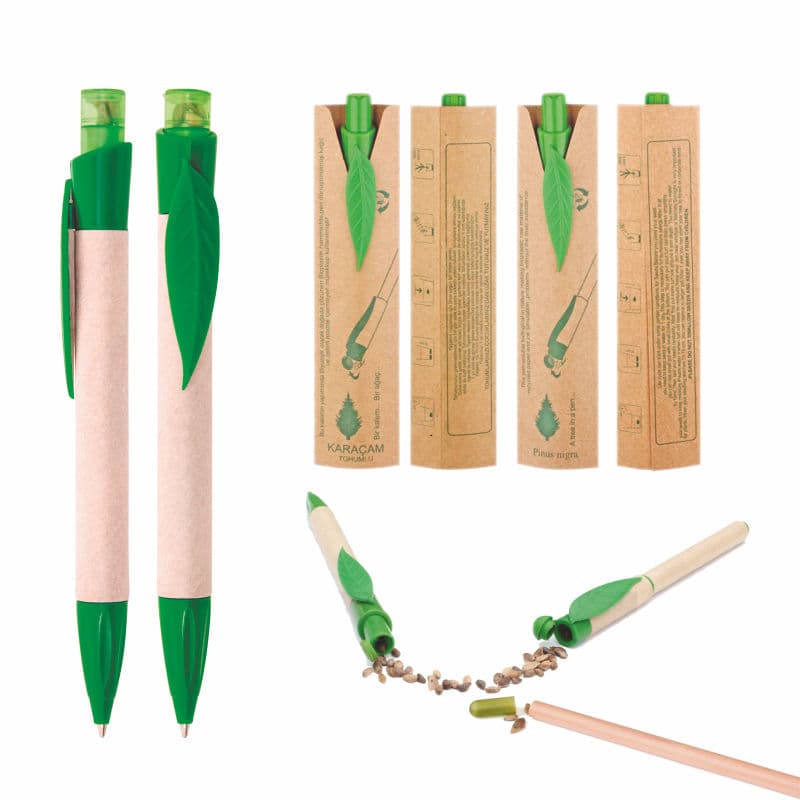
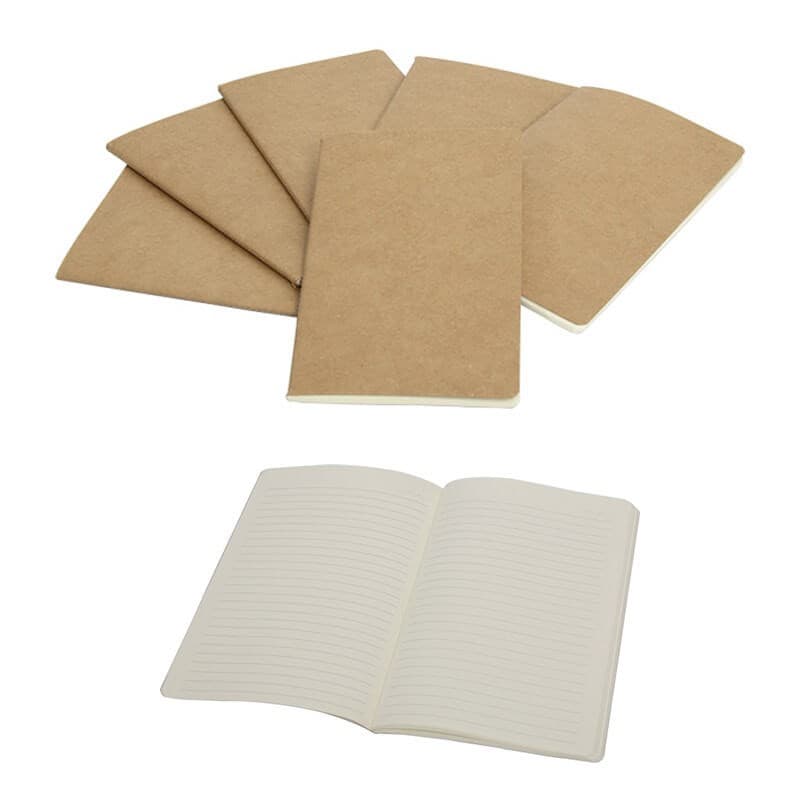
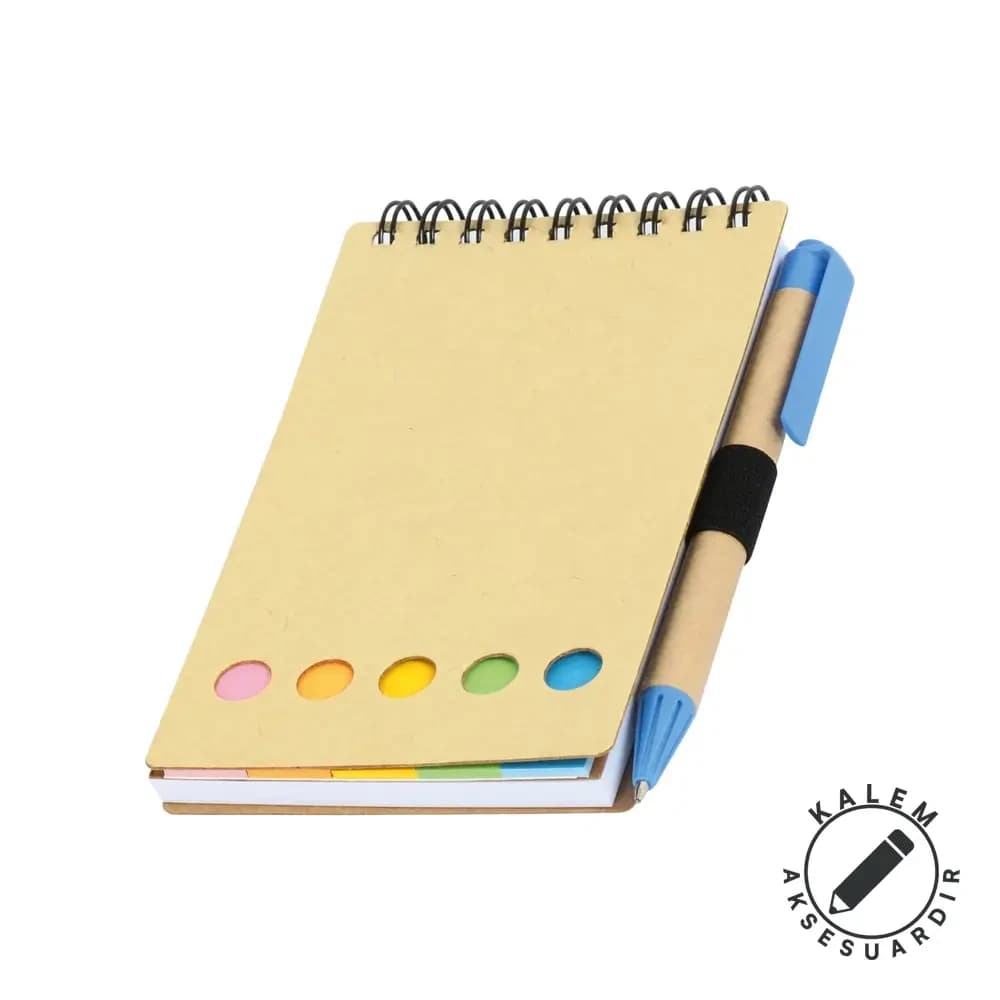
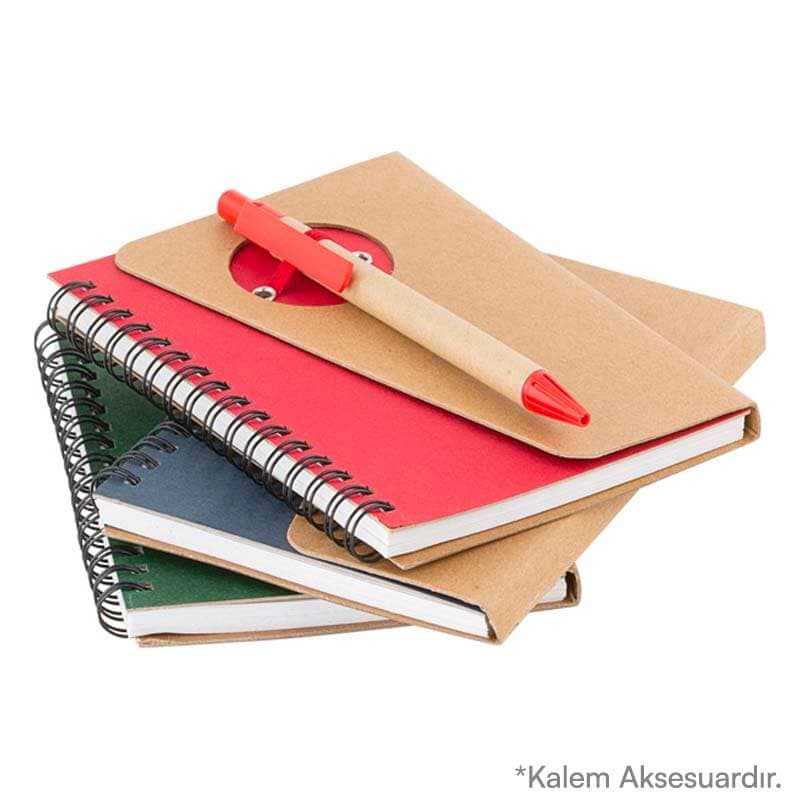
- Recycled plastic and paper products — notebooks, pens, and bags made from verified recycled content.
- Bamboo and natural-fiber items — desk accessories, tech stands, and drinkware components with a renewable material story.
- Reusable drinkware — thermoses and bottles that reduce single-use plastic consumption directly through their intended function.
- Digitally-printed, on-demand items — reducing overproduction and excess inventory, which is itself a sustainability lever often overlooked in favor of material choice alone.
In Summary
Sustainable promotional products are a genuine, data-backed opportunity to improve both brand perception and environmental impact — but only when the sustainability claim is specific and the item is well-made enough to actually be reused. Treating sustainability as a real product attribute to verify, rather than a label to apply, is what separates an effective sustainable gifting program from a greenwashing risk.
Looking to build a genuinely sustainable promotional program? Explore Pen Promo's Recycled Products category, or request a quote to discuss verified material options.
Need Help Choosing the Right Promotional Product?
Get a free, no-obligation quote from our team.
Frequently Asked Questions
Often modestly, yes — though the gap has narrowed as sustainable materials scale in production. Many companies find the premium justified by both durability (fewer discarded items) and the brand-perception benefit documented in industry research.
Use specific, verifiable claims rather than generic labels, and be prepared to document material sourcing if asked — internally or by a recipient.
Only if it's actually reused. A poorly designed reusable item that gets discarded after one use can have a worse lifecycle impact than a well-designed single-use item, which is why durability and design quality matter as much as the base material.