Recycled Materials
"Made from recycled materials" sounds like a single, clear claim, but the specifics vary enormously depending on the material, the percentage of recycled content, and what the material was recycled from — details that matter significantly if the claim needs to hold up to a client's or donor's scrutiny, as discussed in our eco-friendly corporate gifts guide.
Common Recycled Materials in Promotional Products
| Material | Common Source | Typical Products |
|---|---|---|
| Recycled PET plastic | Post-consumer plastic bottles | Bags, apparel, some drinkware components |
| Recycled cotton | Textile manufacturing waste or post-consumer fabric | Tote bags, apparel |
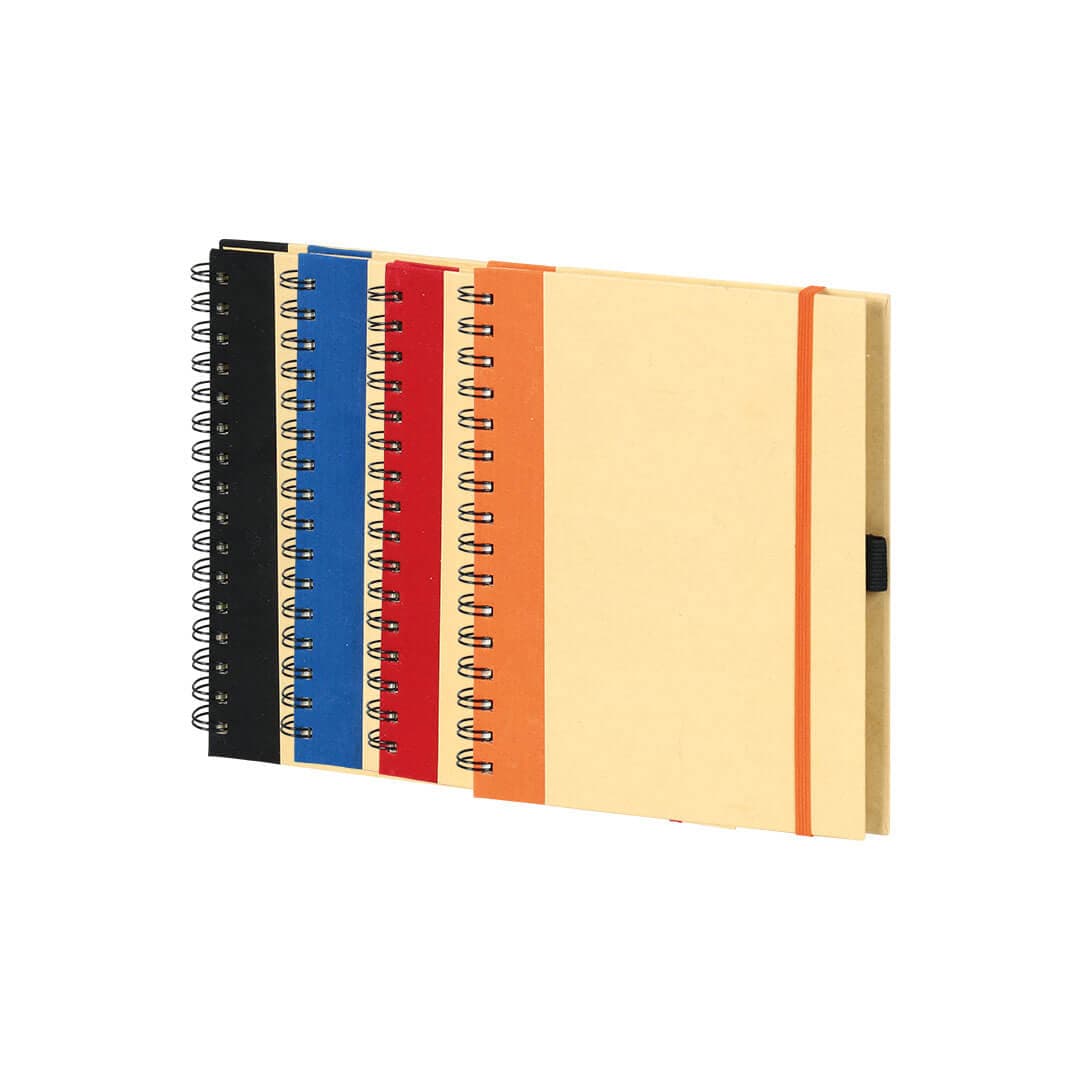
| Recycled paper/cardstock | Post-consumer or post-industrial paper waste | Notebooks, packaging, print materials |
| Recycled aluminum | Post-consumer or post-industrial metal scrap | Some drinkware and metal product components |
Why the Percentage and Source Matter
A product described as "recycled" could be 100% recycled material or contain a much smaller percentage blended with virgin material — both are commonly marketed with similar language, but they represent meaningfully different environmental impact. Similarly, "post-consumer" recycled content (from items people used and discarded, like plastic bottles) is generally considered a stronger sustainability signal than "post-industrial" content (manufacturing scrap that might have been recycled internally regardless), though both are legitimate recycled content categories.
Questions to Ask Before Ordering
- What percentage of the product is actually recycled material?
- Is the recycled content post-consumer or post-industrial?
- Is there a certification or documentation available if needed for internal ESG reporting?
- Does the recycled material affect the product's durability or performance compared to a virgin-material equivalent?
A Practical Example
A company sourcing tote bags for a sustainability-themed campaign initially considered a supplier's "eco-friendly" bag without further detail, but a direct question about recycled content percentage revealed the material was only a modest fraction recycled, blended with virgin polyester — a legitimate but more limited claim than the marketing language had implied. The company instead selected a bag with documented, majority post-consumer recycled cotton content from a different supplier, verified with a specific percentage the company could confidently cite in its own campaign materials without overstating the claim, avoiding a credibility risk similar to the greenwashing concern discussed in our sustainable promotional products guide.
In Summary
"Recycled materials" spans a range of specific claims that vary significantly in percentage, source type, and verifiability — treating it as a single, uniform category risks either overpaying for a stronger claim than needed or unknowingly making a weaker sustainability claim than intended. Asking for specific percentage and source details before ordering protects both the environmental case and the credibility of any claim made from it.
Looking for verified recycled-material promotional products? Browse Pen Promo's Recycled Products collection or request a quote for material documentation.
Need Help Choosing the Right Promotional Product?
Get a free, no-obligation quote from our team.
Frequently Asked Questions
Post-consumer content is generally viewed as a somewhat stronger sustainability signal since it diverts material that would otherwise become consumer waste, but both are legitimate categories of recycled content — the more important factor is verified accuracy in how the claim is communicated.
It depends on the specific material and product — many recycled materials perform comparably to virgin equivalents, though it's worth confirming durability specifics for a given product rather than assuming automatic parity.
Ask directly for the specific percentage and source category, and request documentation or certification where available — a supplier unable to provide specifics on request is a reasonable signal to look more closely at the claim.