Sustainable Packaging
Sustainable packaging has moved well beyond a niche preference — recent research suggests a majority of consumers now factor packaging sustainability into purchase decisions, and a meaningful share have switched brands specifically over it. For corporate gifting and promotional packaging, that shift has direct implications for how packaging decisions get made.
What the Data Shows
Industry research on packaging and consumer behavior consistently finds that a majority of consumers report choosing products based partly on packaging sustainability, and that a significant share say they're more likely to purchase from — and stay loyal to — a brand that uses eco-friendly packaging. Younger demographics in particular show a stronger willingness to pay a premium for sustainable packaging compared to older cohorts, though the willingness spans age groups more broadly than it did just a few years ago.
What Makes Packaging Genuinely Sustainable
- Material sourcing — recycled content, FSC-certified paper, or genuinely renewable materials (verified, not just asserted).
- Recyclability of the finished product — a package that's technically made from recyclable material but combines it with non-recyclable components (certain laminates, mixed-material closures) undermines the claim in practice.
- Right-sizing — packaging that's no larger than necessary reduces material use and shipping volume, both of which are lower-profile but genuinely meaningful sustainability levers.
- Minimal, purposeful decoration — reducing unnecessary foil, plastic windows, or excess inserts cuts material use without necessarily sacrificing the packaging's presentation quality.
A Practical Example
A corporate gifting company reviewing its packaging line replaced a plastic-windowed gift box (allowing the product to be seen without opening) with a solid recycled-cardstock box using a simple printed illustration instead — a change that both reduced material complexity (the plastic window had made the box harder to recycle as a single material) and lowered per-unit cost slightly. The company also right-sized several of its boxes that had been using excess void-fill material, reducing both material cost and shipping volume for bulk orders. Neither change required marketing the boxes as a dramatic sustainability overhaul — they were straightforward material and design decisions that happened to align with what the data shows recipients increasingly notice and value.
Choosing Sustainable Packaging: A Checklist
- [ ] Is the material genuinely recyclable as a whole, not just one component of a mixed-material design?
- [ ] Is the packaging appropriately sized for the product, avoiding unnecessary bulk?
- [ ] Can the material source be documented if a client's procurement or ESG team asks?
- [ ] Does the cost premium (if any) fit the budget without compromising the presentation quality that matters for the specific audience?
In Summary
Sustainable packaging is now a mainstream expectation rather than a niche differentiator, with real data behind its effect on purchase decisions and brand loyalty. The most credible approach treats sustainability as a genuine material and design choice — verifiable and specific — rather than a marketing label applied after the fact.
Looking to make your packaging more sustainable? Explore Pen Promo's Packaging Solutions or request a quote to discuss material options.
Need Help Choosing the Right Promotional Product?
Get a free, no-obligation quote from our team.
Frequently Asked Questions
Often modestly, yes, though the gap has been narrowing — and some sustainable choices (like right-sizing or removing unnecessary components) can actually reduce cost while improving the sustainability profile.
Making a partial change — like recycled cardstock combined with a non-recyclable plastic window or laminate — and marketing it as fully sustainable, which can read as greenwashing if scrutinized.
No — as shown in the example above, thoughtful material and design choices can maintain (or even improve) presentation quality while reducing environmental impact; the two goals aren't inherently in tension.
Recommended Products
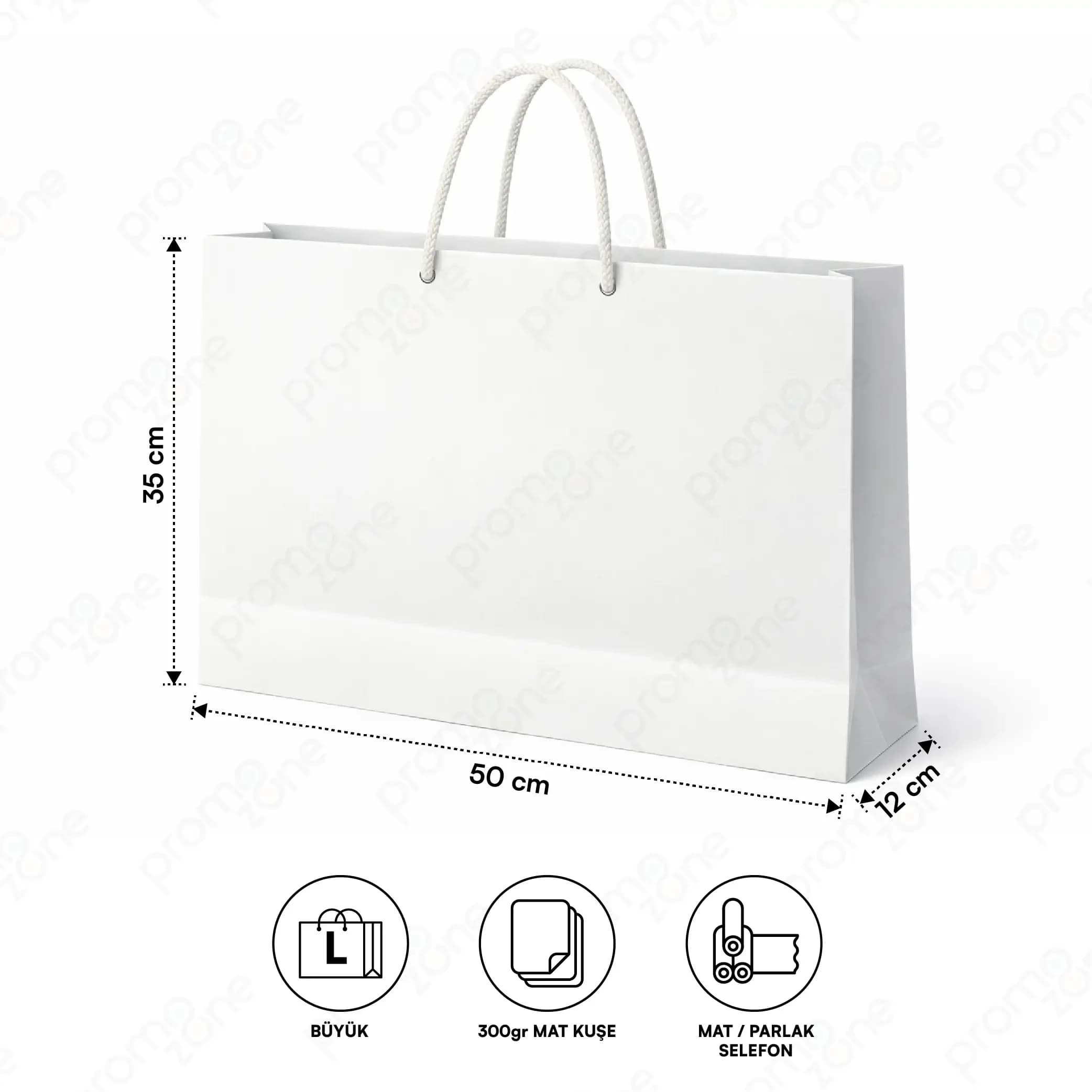
50x35x12 cm Large Size 300 gram Matte Coated Horizontal Cardboard Bag
Code: PZ191051
1.17$ – 1.70$
Request a Quote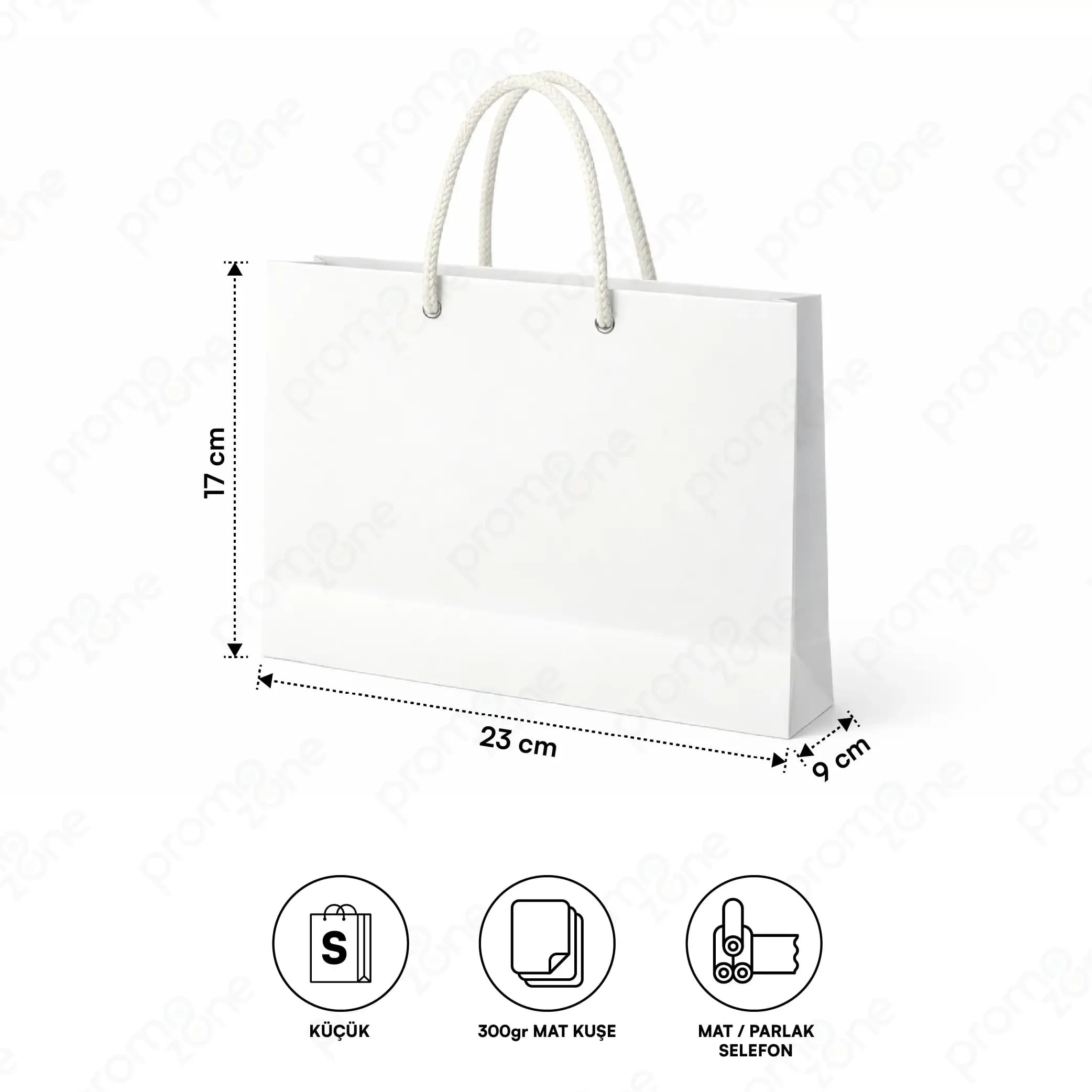
23x17x9 cm Small Size 300 gram Matte Coated Horizontal Cardboard Bag
Code: PZ191038
0.60$ – 1.02$
Request a Quote