Promotional Marketing Strategy
Most companies don't fail at promotional marketing because they pick bad products — they fail because they never had a strategy in the first place. An order gets placed a few weeks before a trade show, a few hundred pens or bags arrive, and the campaign is considered done. There's no audience segmentation, no distribution plan, and no way to measure whether it worked.
A promotional marketing strategy is the framework that turns individual product orders into a coordinated program with a measurable purpose. This guide covers how to build one.
What a Promotional Marketing Strategy Actually Includes
A real strategy answers four questions before a single product is ordered:
- Who is the audience, and how is it segmented? Prospects at a trade show, existing clients, employees, and referral partners all warrant different products, budgets, and messaging — treating them identically wastes budget on whichever group was over-served.
- What is the specific goal? Brand awareness, lead generation, client retention, and employee engagement are different goals with different success metrics — a strategy built around "get our logo out there" without a sharper goal is difficult to evaluate afterward.
- What is the distribution plan? How and when items reach the audience matters as much as the item itself — a great product handed out passively at a booth performs differently than the same product delivered as part of a follow-up sequence after a sales meeting.
- How will it be measured? Even indirect metrics (post-campaign brand recall surveys, website traffic lift, follow-up meeting rates) are better than no measurement plan at all.
Building the Strategy: A Practical Framework
| Step | Key Question | Output |
|---|---|---|
| 1. Segment the audience | Who exactly are we reaching, and what do they have in common? | 2–4 defined audience segments |
| 2. Set the goal per segment | What should this segment do or feel differently afterward? | One primary goal per segment |
| 3. Choose the product tier | What item and quality level fits this segment's relationship to the brand? | Product shortlist per segment |
| 4. Plan distribution and timing | When and how does the item reach the recipient? | Distribution calendar |
| 5. Define success metrics | What will tell us this worked? | Metric(s) per segment/goal |
| 6. Review and iterate | What did the data show, and what changes next cycle? | Post-campaign report |
A Practical Example
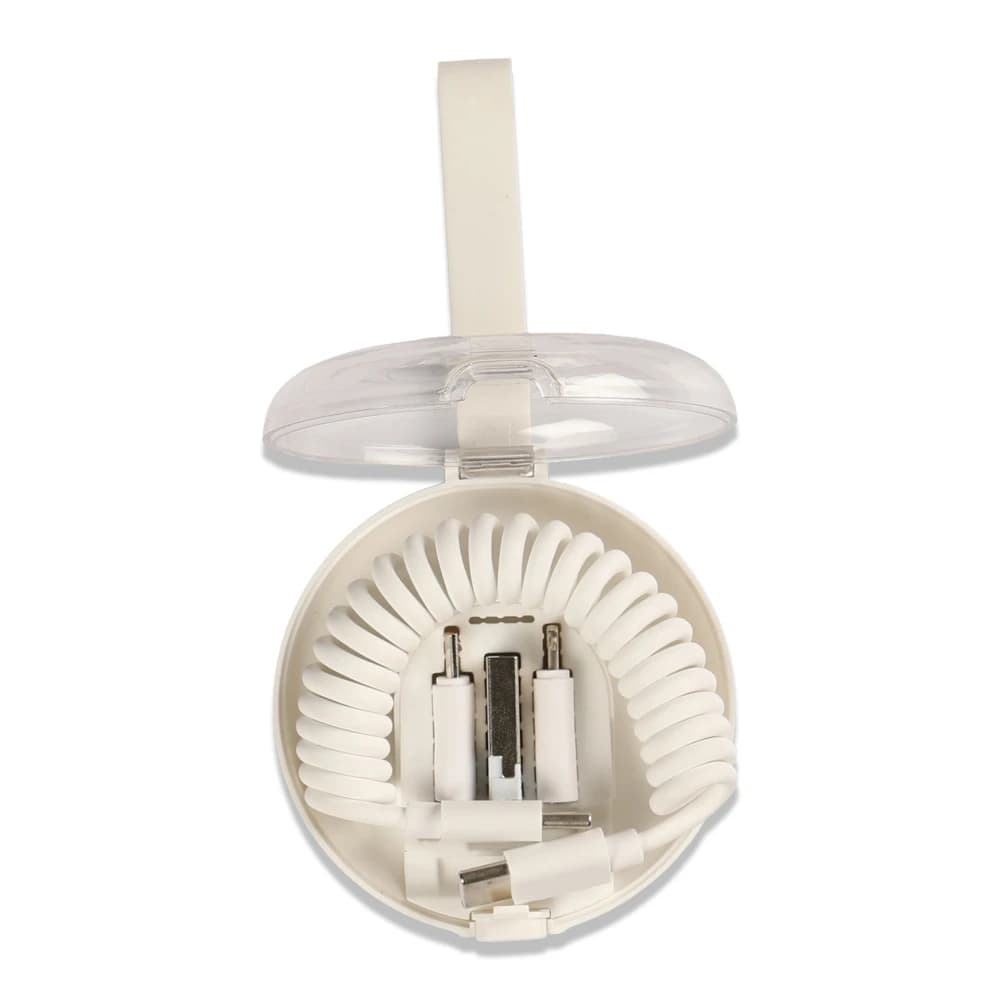
A B2B software company preparing for its industry's largest annual conference builds a promotional strategy with three distinct segments instead of one generic order: (1) general booth visitors receive a practical branded item — a power bank — distributed broadly, with the goal of simple brand recall; (2) qualified leads who book a product demo receive a higher-tier item (a branded notebook and drinkware set) mailed after the conference, timed to reinforce the follow-up conversation; (3) existing clients attending the same event are invited to a private dinner and receive a premium executive gift, with the explicit goal of relationship reinforcement ahead of contract renewal season. Each segment gets a different product, budget, and distribution moment — and the company tracks demo bookings, renewal conversations, and post-event survey recall separately for each group, rather than reporting one blended "conference ROI" number that would obscure which tactic actually worked.
Common Strategic Mistakes
- Ordering one product for an entire event regardless of audience segment.
- Treating distribution as an afterthought — handing items out passively rather than timing them to a specific moment in the relationship.
- Skipping measurement entirely, or measuring only distribution volume ("we gave out 2,000 items") rather than outcome.
- Disconnecting the promotional strategy from the broader marketing calendar, so it never reinforces (or gets reinforced by) digital or event campaigns running at the same time.
In Summary
A promotional marketing strategy is what separates a coordinated program from a one-off product order. Segmenting the audience, setting a specific goal per segment, planning distribution deliberately, and measuring outcomes afterward turns promotional spend from a marketing line item into a program that can be evaluated and improved over time.
Planning your next promotional campaign? Request a quote and Pen Promo's team can help match products to each audience segment in your strategy.
Need Help Choosing the Right Promotional Product?
Get a free, no-obligation quote from our team.
Frequently Asked Questions
A strategy defines the audience, goal, distribution timing, and measurement plan before any product is chosen. Ordering products without that framework is common, but it makes it difficult to know afterward whether the spend was justified.
It depends on the goal: brand-awareness campaigns are often measured through recall surveys or website traffic lift; retention-focused gifting is measured through renewal or repeat-purchase rates; lead-generation campaigns can track demo bookings or follow-up meeting rates tied to the campaign period.
No — the strongest programs coordinate timing, so a promotional item reinforces a digital campaign's message rather than running independently of it.