Healthcare Promotional Gifts
"Healthcare" covers a much broader set of audiences than physicians alone — hospital administrators, nursing staff, patients, healthcare event attendees, and health-system employees are all part of the sector, and promotional gifting rules differ substantially by which of these groups is the actual recipient.
Start With the Audience, Not the Industry Label
As covered in more depth in our pharmaceutical promotional products guide, industry codes like the PhRMA Code specifically restrict pharmaceutical and medical device companies from giving branded promotional items to healthcare professionals in a position to prescribe or recommend products. That restriction is real and should be taken seriously — but it doesn't extend to every healthcare-adjacent gifting scenario.
Where Healthcare Promotional Gifting Remains Appropriate
- Hospital and health-system administrative staff and departments not involved in prescribing decisions, for general institutional relationship-building, subject to each organization's own gift-acceptance policy.
- Healthcare industry conferences and trade events, where booth giveaways and general attendee gifts follow standard promotional marketing practice rather than HCP-specific codes — though it's still worth confirming the specific event's own policies.
- Patient experience and comfort items, distributed as part of a hospital or clinic's own patient care program (a hospital gifting comfort kits to patients, for example, rather than a pharmaceutical company gifting a physician).
- Health-system employee engagement and appreciation, following the same general practices as employee gifting in any industry.
- Wellness and health-adjacent consumer brands (fitness, nutrition, non-prescription wellness products) marketing directly to consumers, which sits outside HCP-interaction codes.
Where Extra Caution Is Required
- Any gift directed at a physician, nurse practitioner, or other prescriber from a pharmaceutical, medical device, or related company — confirm current PhRMA Code (or applicable regional equivalent) requirements before proceeding.
- Gifts to hospital purchasing or formulary decision-makers, which can carry similar influence concerns even when the recipient isn't a prescriber directly.
- International healthcare markets, where rules vary by country and a compliant approach in one market may not be compliant in another.
A Practical Example
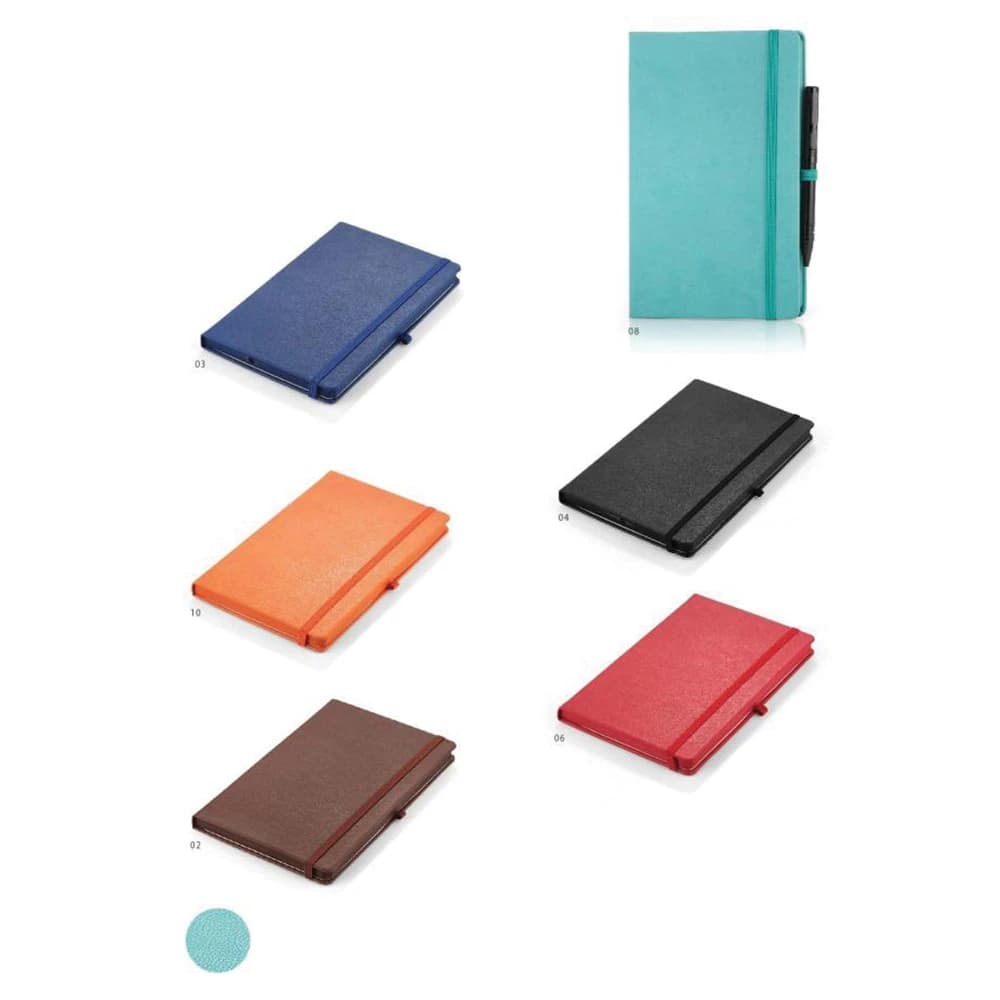
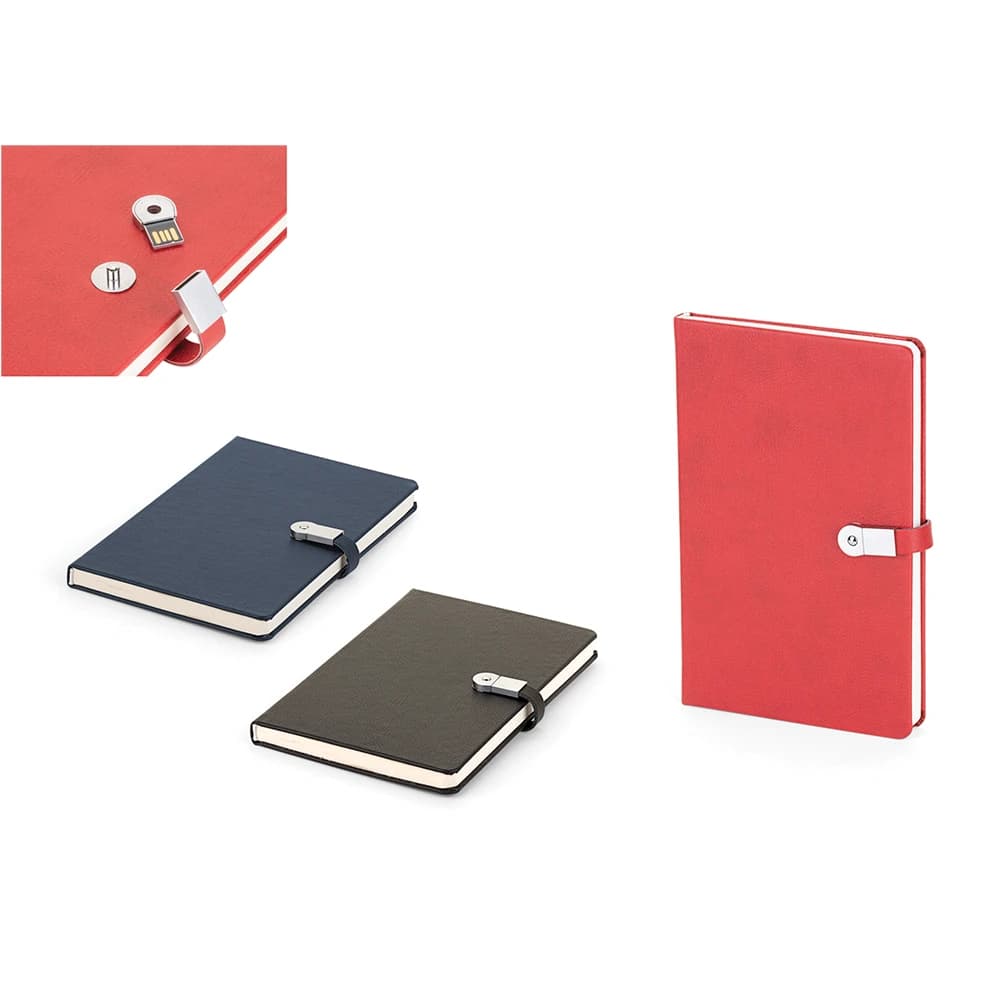
A medical device company distinguishes clearly between its two healthcare-facing gifting programs: for hospital administrative staff attending its annual customer conference — a business relationship not involving direct prescribing or product-selection influence — the company provides standard conference gifts (branded bags, notebooks) following ordinary promotional marketing practice. For its sales team's interactions with physicians who directly influence device selection, the company maintains a strict no-branded-gifts policy in line with industry codes, providing only clinical/educational materials where permitted. The two programs are kept organizationally separate, with clear internal guidance on which applies to which audience, avoiding the risk of an item intended for one group being distributed to the other.
Quick Reference by Audience
| Audience | Gifting Approach |
|---|---|
| Prescribing physicians (from pharma/device companies) | Highly restricted — confirm applicable industry code before any gift |
| Hospital administrative/non-clinical staff | Standard B2B gifting norms, subject to institutional policy |
| Healthcare conference attendees (general) | Standard promotional marketing practice |
| Patients (from the healthcare provider itself) | Governed by the provider's own patient care program, not HCP codes |
| Health-system employees | Standard employee gifting practices |
In Summary
Healthcare promotional gifting isn't uniformly restricted — the real dividing line is whether the recipient is in a position to influence prescribing or purchasing decisions on behalf of a company with a commercial interest in that decision. Broader institutional, employee, conference, and patient-facing gifting within the healthcare sector generally follows standard promotional practices, with the prescriber-facing category requiring specific compliance attention.
Planning a healthcare-sector gifting program? Request a quote — Pen Promo can help scope a program appropriate to your specific audience.
Need Help Choosing the Right Promotional Product?
Get a free, no-obligation quote from our team.
Frequently Asked Questions
No — restrictions specifically target prescribers and similar influence-holders receiving gifts from companies with a commercial interest in their decisions. Broader institutional, employee, and patient-facing gifting generally follows standard practices.
When in doubt, confirm with legal or compliance counsel — the distinction depends on the recipient's role and decision-making influence, not simply whether they work in a hospital or clinic.
The specific codes (PhRMA, EFPIA, etc.) target companies with a commercial interest in prescribing or purchasing decisions — general healthcare-adjacent businesses without that specific interest typically aren't subject to the same restrictions, though institutional gift policies may still apply.