Corporate Gift Etiquette Around the World
A gift that reads as thoughtful in one market can land as confusing, or even offensive, in another. International corporate gifting is one of the few areas of B2B marketing where the wrong choice can actively damage a relationship rather than simply underperform — which makes basic cultural literacy genuinely worth the research before an international order goes out.
General Principles That Apply Almost Everywhere
- Presentation matters as much as the item, particularly in East Asia, where wrapping and packaging can carry as much weight as the gift itself.
- Use the right hand, or both hands, to give and receive gifts in most of Asia and the Middle East — using only the left hand can read as disrespectful.
- Research before assuming a gift is welcome at all. In the United States, the United Kingdom, and much of Northern Europe, business gifts are viewed more cautiously — sometimes restricted by internal compliance policies — while in much of Asia, the Middle East, and Latin America, gift-giving is a more expected and central part of relationship-building.
Region-by-Region Notes
China. Gifts are typically given in pairs, since Chinese culture places emphasis on harmony and balance, and the number four is generally avoided due to its association with death. Clocks and handkerchiefs carry similar negative associations and are best avoided. Cash gifts are inappropriate in a business context, and an overly cheap gift can reflect poorly on the giver.
Japan. Gift-giving is deeply embedded in business culture, and the act of giving is often considered more important than the gift's monetary value. Gifts are typically not opened in front of the giver, and presentation — quality wrapping, careful handling — matters significantly. Bright or overly bold colors are generally best avoided in favor of more modest, high-quality items.
Middle East. Gift-giving is an important part of relationship-building, and refusing a gift can be seen as impolite — the opposite of etiquette norms in some Western markets. Alcohol and pork-related products should be avoided given religious considerations across much of the region, and gifts should always be given and received with the right hand or both hands.
United States and Northern Europe. Business gifting is more cautious and often governed by formal internal compliance policies with explicit value limits — a portion of companies in these markets maintain documented gift policies specifically to avoid the appearance of a conflict of interest. A modest, useful item is generally safer than an elaborate or high-value gift in these markets.
India. It's common for a gift to be politely declined once or twice before being accepted, as a show of humility — this is a normal part of the exchange, not a genuine refusal, and the giver should offer again rather than withdrawing the gift.
A Practical Example
A logistics company managing partner relationships across Turkey, the Gulf region, and Western Europe built three distinct approaches for the same year-end gifting cycle: for Gulf-region partners, a generously presented gift box with premium packaging and no alcohol-adjacent items, delivered with the expectation it would be graciously accepted; for Western European partners, a modest, practical item kept within the recipient companies' typical compliance thresholds, communicated transparently; and for East Asian partners, gifts given in pairs with careful attention to wrapping quality and color choice. Using a single, identical gift across all three regions — a common shortcut for companies managing dozens of international relationships — would have risked missteps in at least two of the three markets.
Quick Reference Table
| Region | Key Consideration | Common Pitfall to Avoid |
|---|---|---|
| China | Give in pairs; avoid the number four | Clocks, handkerchiefs, overly cheap gifts |
| Japan | Presentation matters most; modest value | Bright colors, opening gifts in front of the giver |
| Middle East | Generosity valued; right-hand presentation | Alcohol, pork-related items |
| US / N. Europe | Cautious, compliance-driven | Overly lavish or high-value gifts |
| India | Polite initial refusal is normal | Withdrawing the offer after a first decline |
In Summary
International corporate gifting rewards specific, researched choices over a single standardized gift applied globally. Understanding a handful of region-specific norms — number and color symbolism in East Asia, generosity and religious considerations in the Middle East, compliance caution in the US and Northern Europe — meaningfully reduces the risk of an otherwise well-intentioned gift landing wrong.
Planning an international gifting program? Request a quote — Pen Promo's team can help select region-appropriate products and packaging.
Need Help Choosing the Right Promotional Product?
Get a free, no-obligation quote from our team.
Frequently Asked Questions
Not if it's researched — the risk comes from applying one market's norms universally rather than adapting per region. A little research per relationship goes a long way.
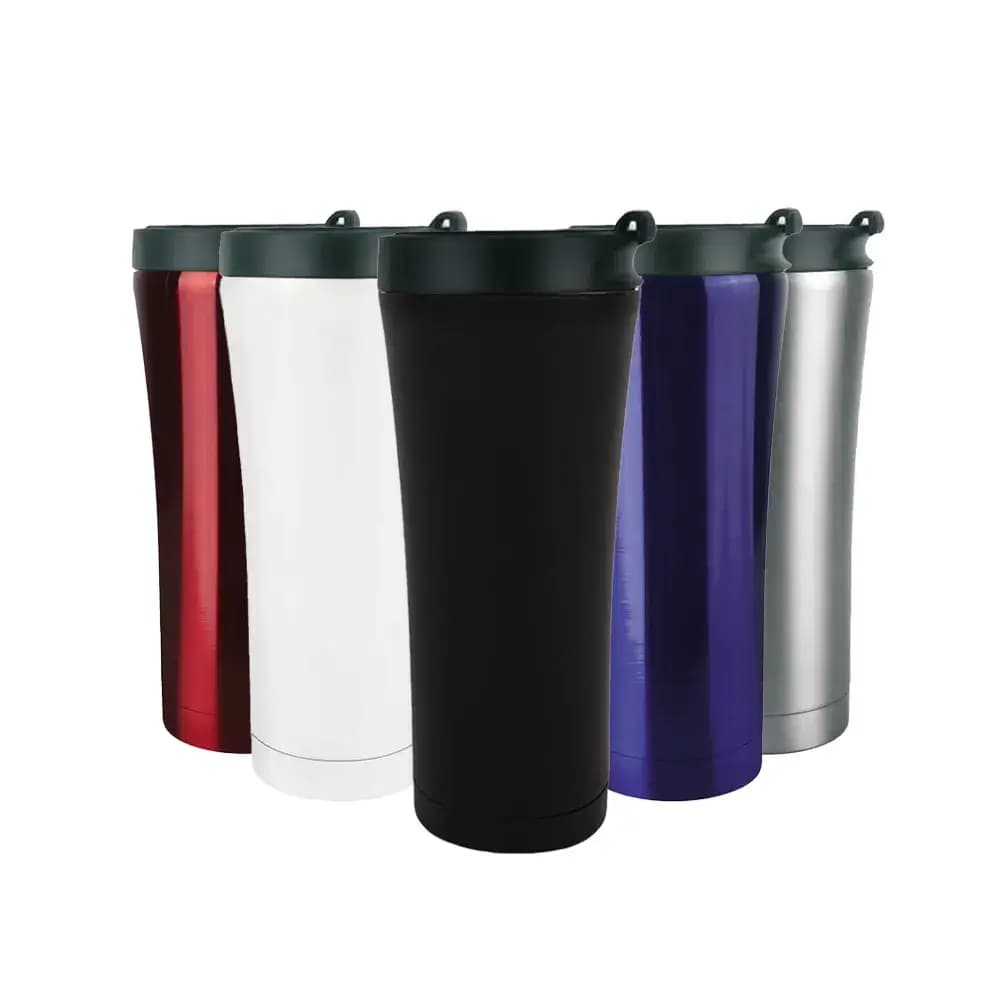
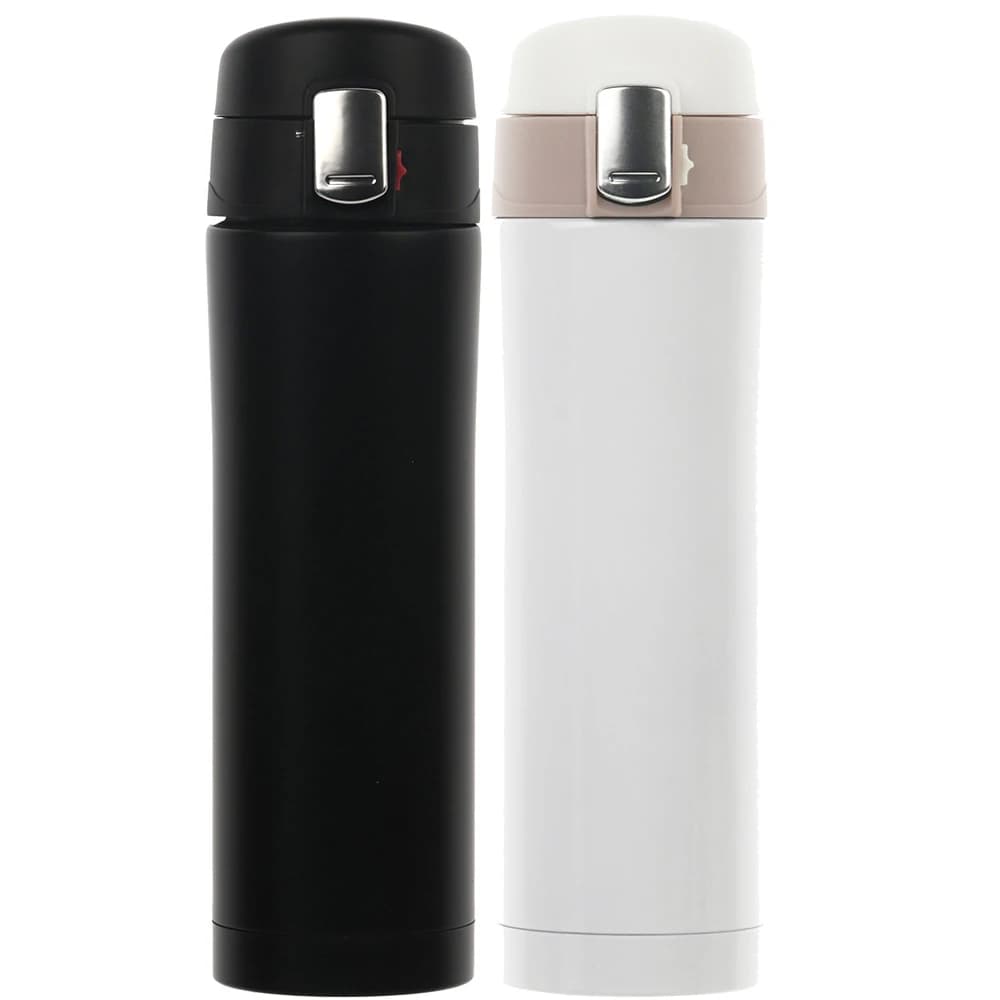
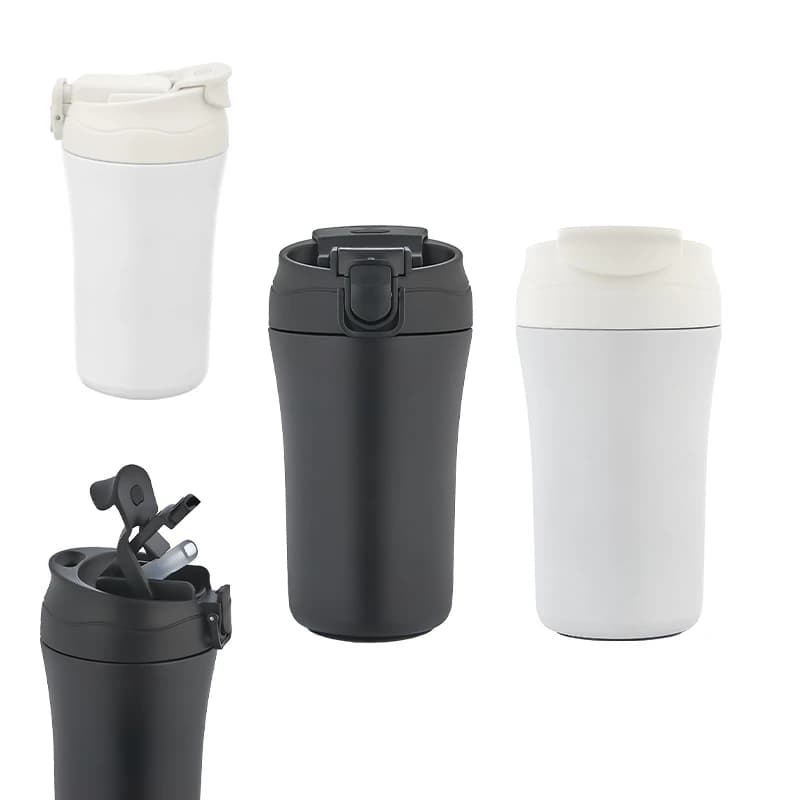
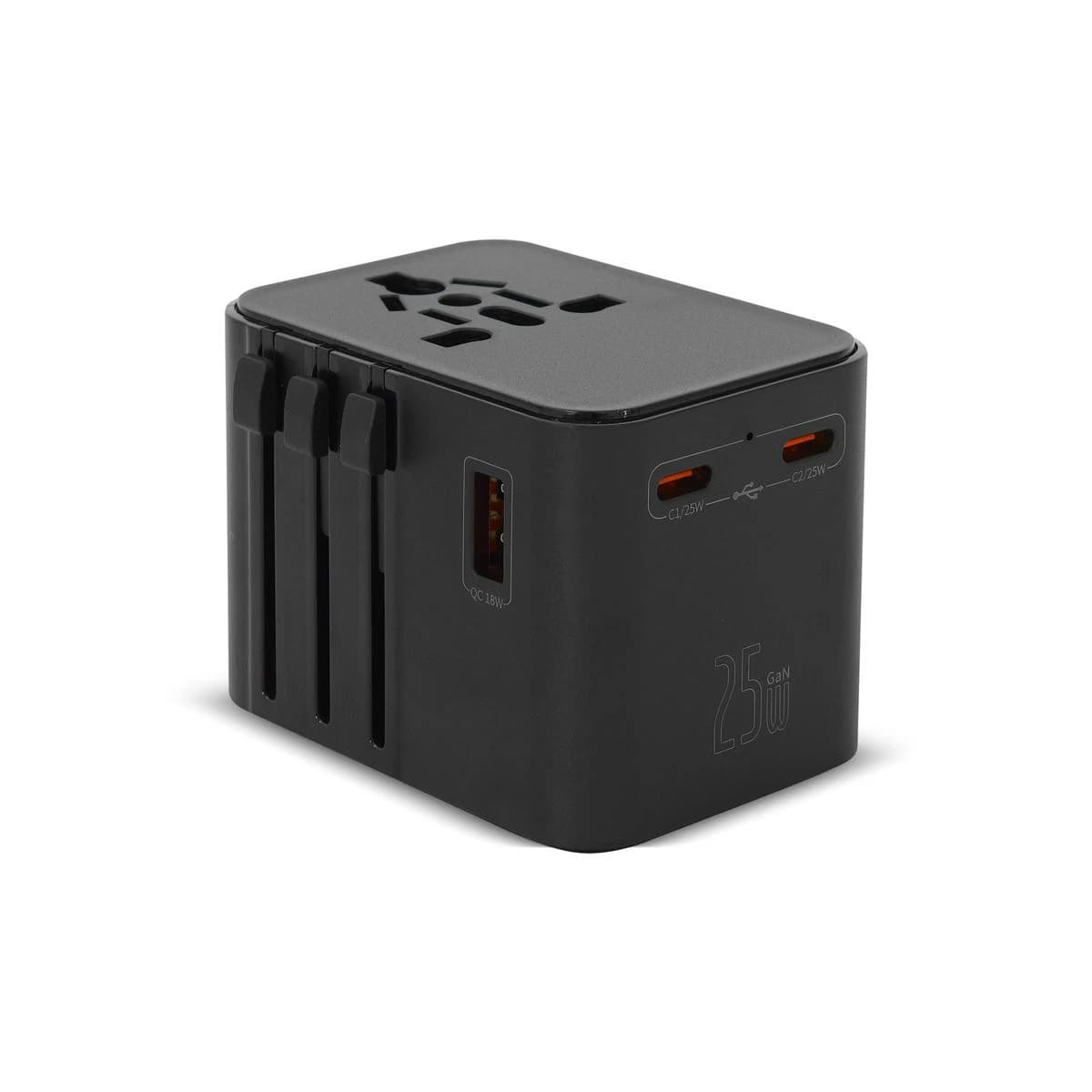
High-quality, practical items — drinkware, notebooks, well-made desk accessories — tend to translate reasonably well across cultures more often than novelty items or anything with strong regional symbolic associations (numbers, colors, specific objects like clocks).
Yes, where budget allows — in markets like Japan and China, presentation quality genuinely affects how the gift is received, more so than in markets where the gesture itself carries most of the weight.