Building a Memorable Brand
Memorability isn't a mysterious creative quality — it's a fairly well-understood function of distinctiveness, consistency, and repetition. Brands that stick in people's minds usually aren't the ones with the cleverest single campaign; they're the ones that made the same clear impression, in a slightly different form, over and over.
The Three Factors That Drive Memorability
Distinctiveness. A brand that looks and sounds like everyone else in its category has nothing for memory to latch onto. Distinctive doesn't necessarily mean loud or unconventional — it means consistently different from category norms in a way that's recognizable even without the logo visible (a specific color, a consistent photography style, a particular tone of voice).
Consistency. As covered in our brand consistency guide, repeated exposure to a varying, inconsistent identity doesn't build the same recognition as repeated exposure to a stable one — each inconsistent touchpoint is closer to starting the recognition process over than reinforcing it.
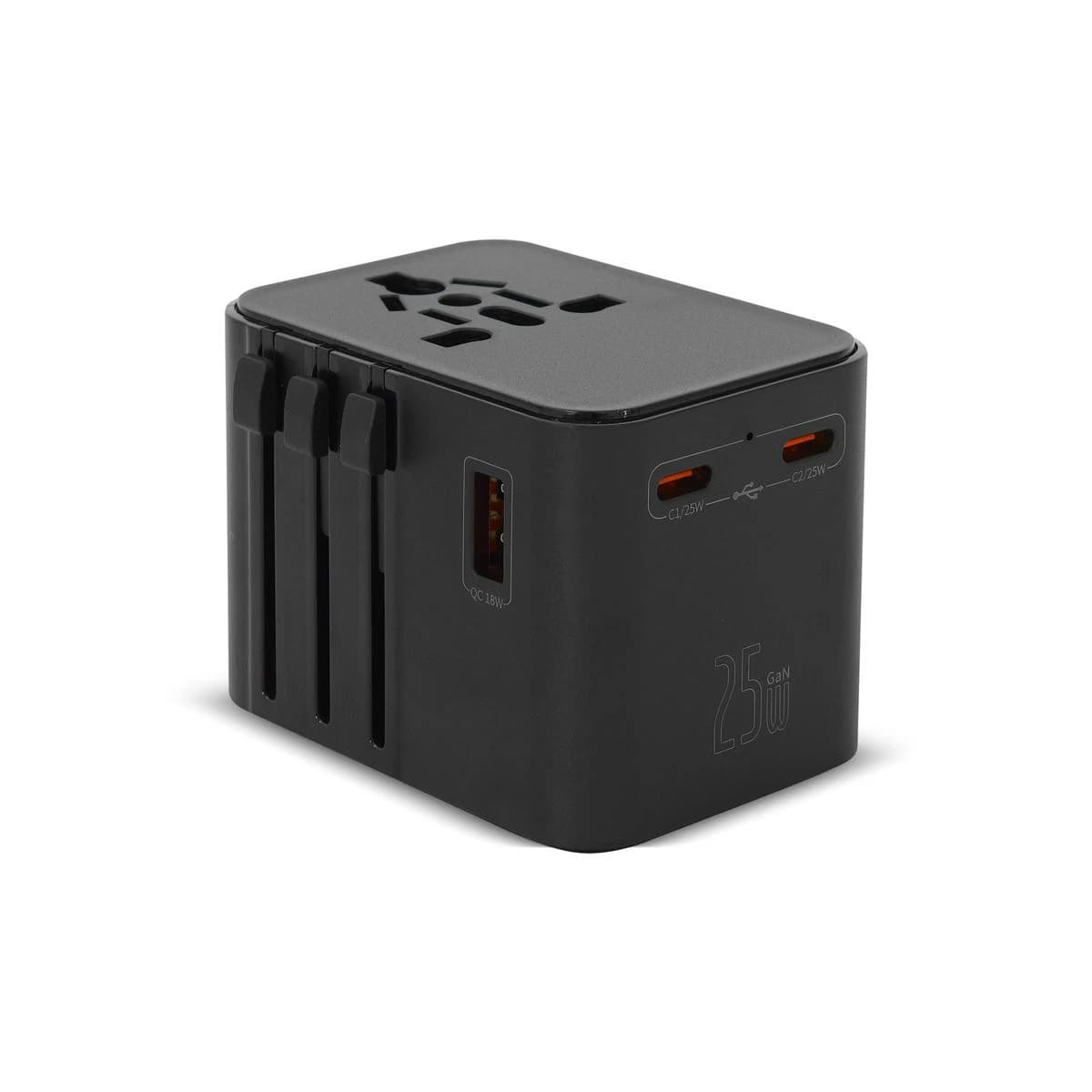
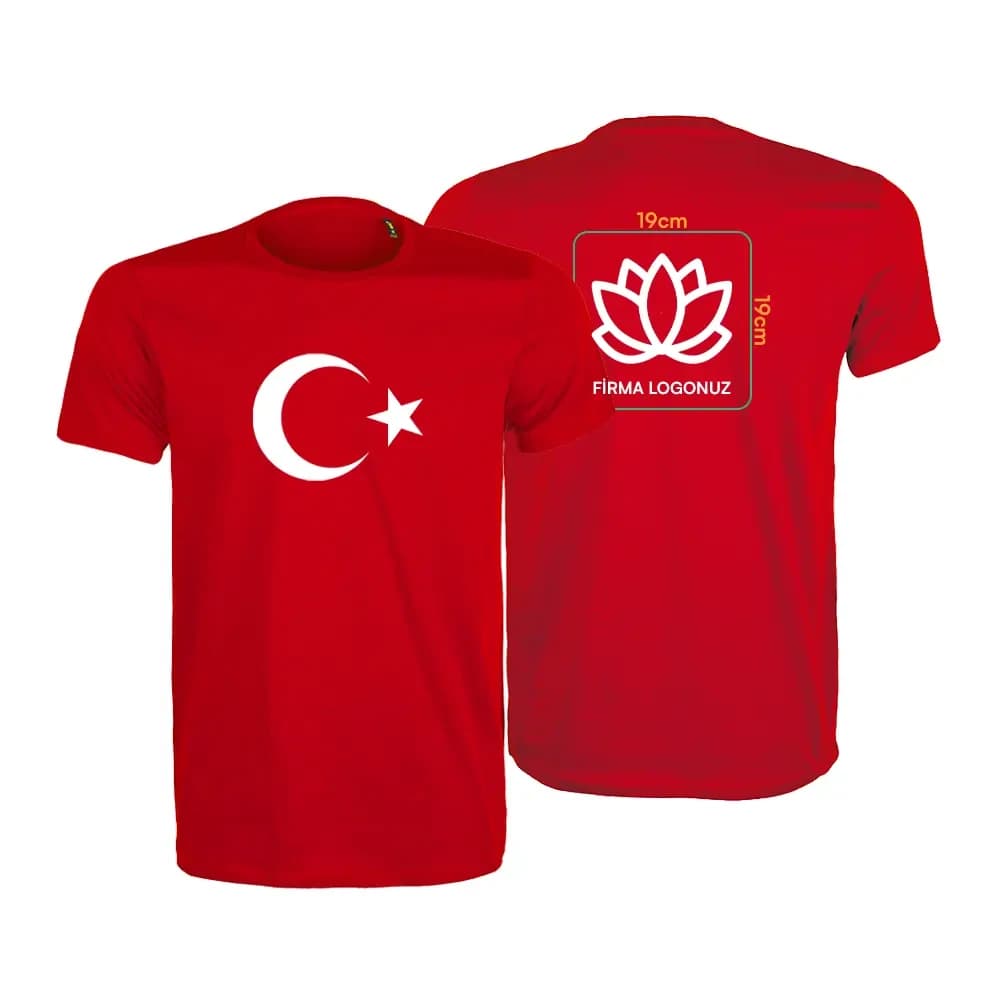
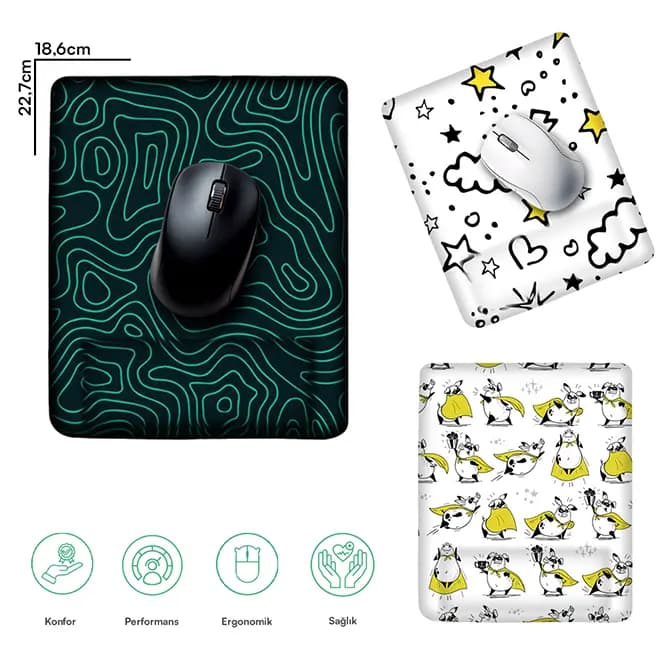
Repetition across touchpoints. Memorability compounds with exposure frequency, which is exactly why physical, long-lived touchpoints — promotional products, packaging, print materials — punch above their weight relative to a single one-time digital impression. A branded item used daily reinforces the same distinctive, consistent identity dozens of times without additional spend.
A Practical Example
A regional insurance company competing against larger, better-funded national brands built recognition not through outspending competitors on advertising, but through unusually strict consistency: the same specific shade of teal, the same photography style (real employees, not stock photography), and the same conversational tone of voice across every touchpoint — website, print materials, and branded items given to clients. Individually, none of these choices was dramatic, but the cumulative, repeated consistency across years made the brand recognizable in the local market despite a fraction of the marketing budget of its larger competitors — market research the company commissioned found unprompted brand recall meaningfully ahead of at least one larger competitor with substantially higher ad spend.
Building Memorability: A Practical Checklist
- [ ] Is there at least one genuinely distinctive brand element (color, tone, visual style) that differs from category norms?
- [ ] Is that distinctive element applied consistently across every touchpoint, not just flagship marketing materials?
- [ ] Does the brand appear repeatedly in the audience's daily environment, not just during active campaigns?
- [ ] Are physical touchpoints (promotional products, packaging) treated as seriously as digital ones for consistency?
In Summary
Memorable brands are built through distinctiveness, consistency, and repeated exposure across touchpoints — not through a single clever campaign. Physical touchpoints like promotional products and packaging play an outsized role in this because they generate repeated, passive exposure without ongoing spend, reinforcing the same consistent identity long after a digital campaign would have faded.
Want your promotional products to reinforce brand consistency? Request a quote — Pen Promo's production team works from your brand guidelines to ensure accuracy across every item.
Need Help Choosing the Right Promotional Product?
Get a free, no-obligation quote from our team.
Frequently Asked Questions
Not necessarily — as the example shows, consistency and distinctiveness matter more than raw spend for building recognition over time, though budget does affect how quickly and broadly that recognition can spread.
There's no fixed timeline — it depends on exposure frequency and consistency, but meaningful recognition typically builds over months and years of consistent repetition, not a single campaign.
Consistency in core elements (color, tone, key visual identity) rarely becomes a liability, but that's different from creative stagnation — brands can evolve creative execution over time while maintaining the underlying consistent identity that drives recognition.